“It has always been important for me not simply to “take beautiful pictures,” but to see something real in people.”
The Art of Seeing Beyond the Obvious
Photography has been at the center of Margo Ermolaeva’s creative life for more than eighteen years, shaping a practice that moves fluidly between documentary storytelling, portraiture, weddings, exhibitions, and personal artistic projects. Rather than treating the camera as a tool for recording isolated moments, she approaches every image as a carefully considered visual composition in which emotion, structure, light, and spatial relationships work together. Her photographs invite viewers to pause, encouraging reflection instead of immediate explanation, and creating visual experiences that linger long after the first glance.
Her educational foundation in environmental and architectural design has become an essential influence on the way she constructs photographs. Composition, rhythm, spatial balance, and the dialogue between people and their surroundings all play defining roles within her visual language. Every setting becomes an active participant rather than a passive backdrop, allowing architecture, landscape, and atmosphere to shape the emotional character of each frame. This sensitivity transforms ordinary environments into meaningful visual narratives where human presence feels inseparable from place.
Although her work embraces strong artistic direction when needed, authenticity remains its guiding principle. Documentary observation blends naturally with expressive portraiture, allowing spontaneity to coexist with thoughtful construction. She remains fascinated by the subtle moments that often escape notice, revealing tenderness, vulnerability, humor, and quiet emotional complexity through photographs that feel both immediate and timeless.

Margo Ermolaeva: Finding Truth Between Documentary and Art
Photography entered Ermolaeva’s life gradually, growing from an early passion for drawing portraits into a lifelong creative practice. She discovered that the camera offered a different language for exploring intimacy, solitude, vulnerability, and the quiet beauty hidden within everyday experiences. Beginning with artistic portrait sessions, her career steadily expanded into documentary projects, weddings, travel photography, and exhibition work, each new direction enriching her understanding of visual storytelling while reinforcing her commitment to authenticity.
Her artistic style combines documentary honesty with carefully balanced composition and emotional sensitivity. Rather than pursuing polished perfection, she seeks images that remain alive through their imperfections and emotional openness. Themes such as memory, corporeality, personal freedom, human connection, and emotional exposure appear consistently throughout her work. Wedding photography, in particular, becomes an opportunity to preserve authentic gestures, fleeting glances, brief silences, and unscripted interactions that often reveal more than formal portraits ever could.
Influence arrives from many creative disciplines rather than photography alone. Cinema, painting, architecture, fashion, family archives, conversations, changing light, and unexpected street scenes all contribute to her evolving visual perspective. She admires photographers capable of combining documentary observation with poetic sensitivity, while Annie Leibovitz remains one of the artists who significantly shaped her early development. Above all, she values images that embrace imperfection because, for her, genuine beauty emerges through truth rather than flawless presentation.

The Quiet Power of Memory and Human Connection
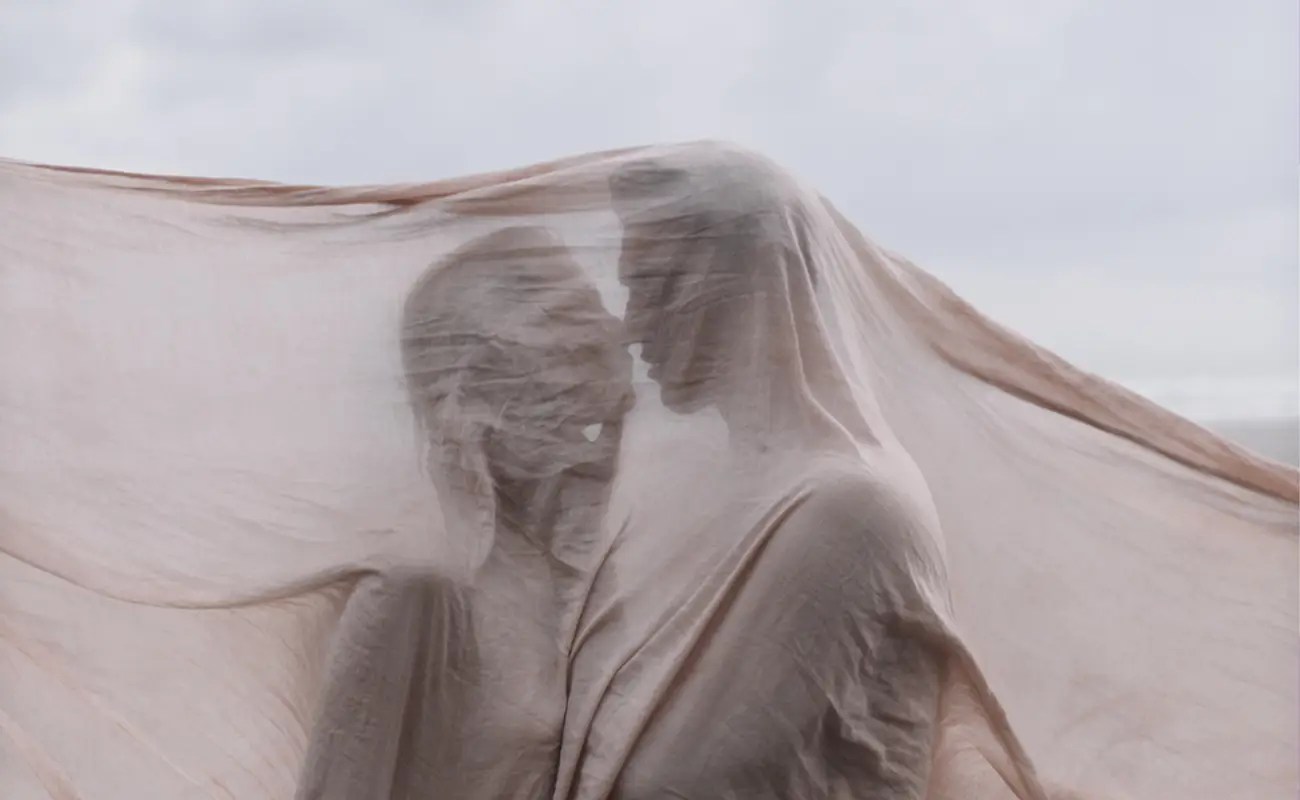
One photograph occupies a particularly meaningful place within Ermolaeva’s artistic journey. Created in Bali, the work became part of a broader exploration of humanity, nature, corporeality, and emotional openness. Rather than focusing on narrative action, the image was conceived to communicate a shared sensation of silence, presence, and connection between two people and the surrounding environment. Bali served not simply as an attractive location but as a setting where landscape, light, the human body, and emotional atmosphere merged into a unified visual experience.
The photograph later became part of several exhibition projects, marking an important step in her international artistic path. Its transition from a personal archive into public exhibition spaces transformed its significance, allowing audiences from different cultures and backgrounds to engage with the work through their own perspectives. While rooted in a specific place and moment, the image evolved into a broader meditation on fragility, freedom, beauty, and humanity’s relationship with the natural world.
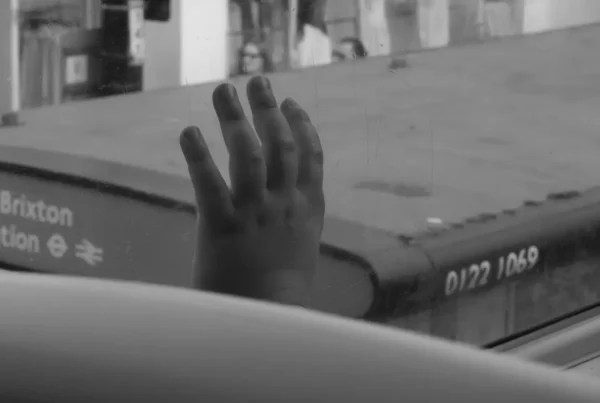
This appreciation for understated emotional moments extends throughout her broader practice. She often considers seemingly secondary photographs to be the most meaningful, especially images that capture pauses between larger events. Whether someone embraces a parent, quietly adjusts clothing, laughs away from the crowd, gazes through a window, or briefly stands alone, these understated moments become lasting expressions of memory, time, and genuine human connection.

Margo Ermolaeva: Expanding a Vision Across Cultures
Photography remains Ermolaeva’s preferred medium because it occupies a unique position between documentation and artistic interpretation. Every photograph begins with reality yet possesses the ability to evolve into memory, symbol, and emotional expression through the photographer’s perspective. This dual nature continues to inspire her because it allows factual observation and deeply personal interpretation to exist within the same image. Although she has explored other visual disciplines and intends to return to painting while developing art direction projects, photography continues to offer the greatest creative freedom.
Her creative process depends less on a fixed physical studio than on maintaining a state of focused attention. Shoots frequently take place while traveling, visiting exhibitions, or working in different cities, making adaptability an essential part of her practice. During editing, however, she values silence, carefully organized archives, books, visual references, music, and uninterrupted periods of concentration. She also believes photographs benefit from time, allowing images to rest before returning to them with greater clarity and emotional distance.
Looking ahead, Ermolaeva hopes to develop an ambitious portrait series throughout Europe, particularly in France. The project would document artists, writers, journalists, artisans, independent producers, thinkers, and other individuals whose work reflects personal vision and cultural value. Combining portraiture, documentary observation, and artistic photography, the series aims to become a visual archive celebrating the relationship between creative people, their environments, and the meaningful work they produce, preserving stories that connect craftsmanship, memory, individuality, and culture.