“Every time I look at it, I feel I have seen and lived that past. It made me understand that my images could live not only beyond the screen, but beyond time.”
The Quiet Power of Timeless Vision
Leonardo Seddio belongs to a new generation of artists for whom photography documents reality and at the same time builds narrative worlds. The places he moves through are real and remain recognizable. What he shifts is not the place, but the time it seems to belong to. Born in 2002 and based in Tuscany’s Val d’Orcia, the Italian photographer and visual artist draws constant inspiration from a landscape where rolling hills, Renaissance architecture, and shifting natural light create an atmosphere that appears suspended outside ordinary time. Growing up in this environment shaped his visual instincts long before he began making photographs, teaching him to appreciate patience, balance, and the transformative qualities of light. Those early experiences continue to serve as the foundation of his artistic language, establishing a visual identity rooted in permanence rather than immediacy. Instead of chasing passing trends, he creates images that encourage prolonged observation and emotional reflection, inviting viewers into spaces where memory and imagination quietly merge.
Creative expression entered Seddio’s life before photography became his primary discipline. His education at the art high school in Arezzo introduced him to painting and visual composition, while his upbringing surrounded him with photography through his father’s profession. This familiarity evolved into practical experience when he worked as an assistant alongside established environmental portrait photographers, gaining firsthand knowledge of professional image making while refining his own perspective. Rather than simply adopting technical methods, he gradually combined these experiences with influences from painting and cinema to develop an individual artistic direction. That combination eventually led his fine art photography into gallery exhibitions in Milan, Paris, and New York, allowing his carefully crafted visual language to reach audiences beyond Italy while remaining firmly connected to the landscape that first inspired his way of seeing.
Every aspect of Seddio’s practice revolves around carefully considered emotional ideas. Central among these is anemoia, the sensation of longing for historical periods never personally experienced. This fascination gives his photographs an atmosphere that feels strangely familiar despite depicting imagined narratives. He also approaches photography through synesthesia, treating image and music as complementary forms capable of producing a richer sensory experience. Rather than presenting isolated pictures, he seeks to create photographs that appear to carry rhythm, silence, and emotional resonance simultaneously. The resulting work encourages viewers not only to observe visual details but also to imagine sound, atmosphere, and feeling, transforming each photograph into an encounter that extends beyond the boundaries of a single still image.

Leonardo Seddio: Building Cinematic Memories Through Photography
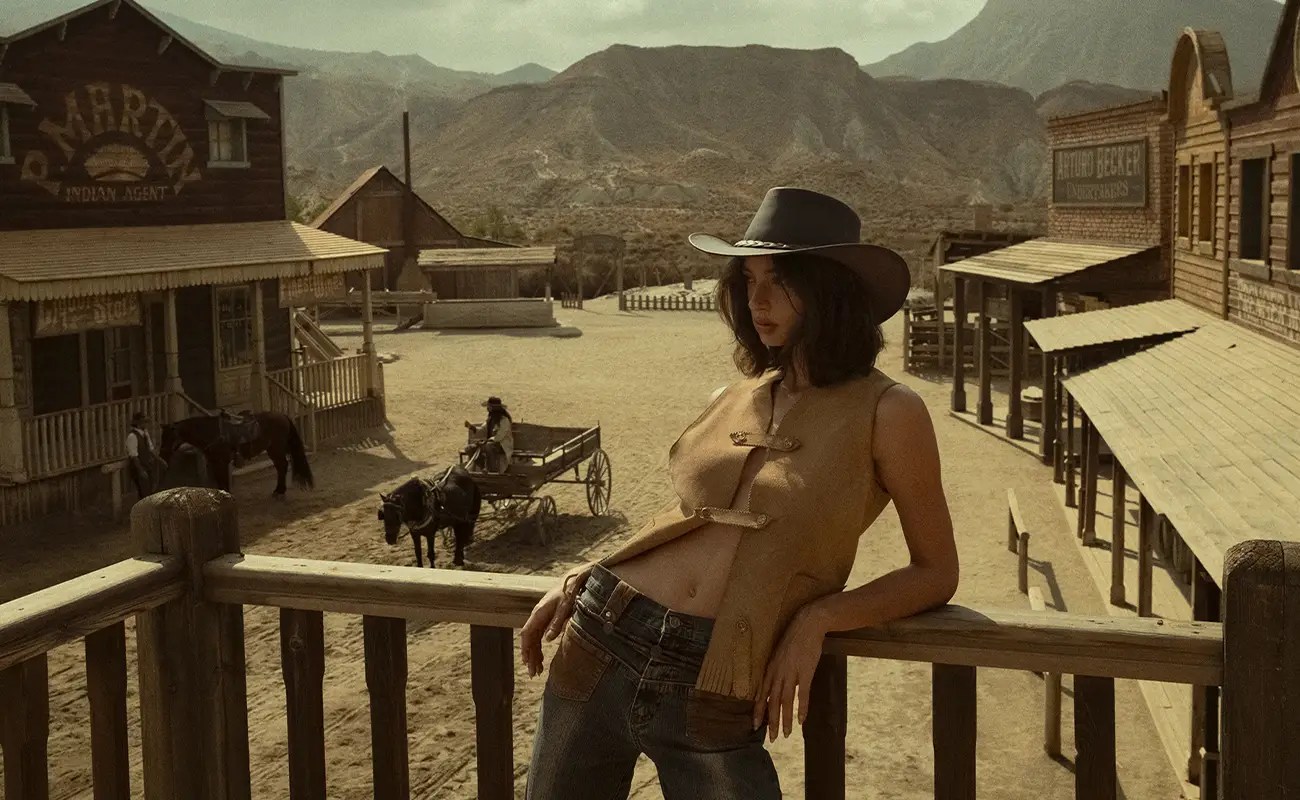
The visual identity of Leonardo Seddio emerges from an unusually balanced combination of historical inspiration and contemporary sensibility. Renaissance painting provides essential lessons in light, color, and sfumato, while twentieth century Surrealism contributes poetic ambiguity and psychological distance. Classical cinema also plays a central role, particularly the visual language of film noir and traditional westerns, both of which influence his approach to atmosphere, framing, and narrative suggestion. Practical experience gained while observing accomplished photographers further strengthened his ability to recognize subtle relationships between subject, environment, and light. Rather than imitating any individual influence, Seddio combines these diverse references into photographs that resemble scenes extracted from films that exist only within the imagination, encouraging viewers to construct their own narratives from carefully composed moments.
Composition functions as one of the defining strengths of his artistic language. Expansive negative space, architectural precision, balanced geometry, and disciplined perspective create photographs that feel calm despite their emotional complexity. The human figure does not dominate the frame, it defines it. It becomes the icon of the world built around it, what makes that world credible and what the viewer recognizes themselves in. This structural clarity allows emotional ambiguity to emerge naturally without relying on visual excess or theatrical effects. Each frame feels intentional from edge to edge, balancing order with mystery while encouraging prolonged contemplation. The result is photography that appears both cinematic and painterly without becoming dependent upon either tradition alone, maintaining a distinctive voice throughout his body of work.
Color and monochrome operate as complementary systems within Seddio’s practice rather than interchangeable stylistic decisions. Earthy ochres, terracotta, crimson, emerald, and deep blue establish emotional atmospheres associated with enduring landscapes and nature, while black and white transforms modern urban environments into places detached from contemporary time. Cities become cinematic spaces filled with nostalgia instead of documentation, allowing viewers to experience familiar locations through imagined historical memory. Light remains the essential element connecting both approaches. Whether illuminating Tuscan countryside, Mediterranean architecture, or metropolitan streets, it shapes emotional space instead of merely revealing physical form. Through this disciplined relationship between illumination, color, and composition, Seddio consistently constructs images that appear suspended between past and present while remaining unmistakably contemporary.

Memory, Music, and the Architecture of Emotion
Rather than recording spontaneous events, Leonardo Seddio carefully constructs every photograph from an initial concept that may originate during travel, while watching films, or through encounters with existing works of art. His creative routine alternates between studying historical masters, photographing new material, and refining images during post production. Each project becomes part of a larger visual sequence rather than an isolated work, contributing another chapter to a continuously expanding narrative about timelessness, memory, and perception. This disciplined process ensures that every photograph maintains consistency with his broader artistic vision while allowing individual images to retain their own emotional identity and narrative possibilities.
Through composition, color and light, his photographs do not only ask to be looked at, but to be lived. You feel the dust of the western, the smoke of the noir, the air of a closed room of the past, and these sensations arrive even before the visible details. When music is added to all this, the image stops being a surface and becomes a film in the viewer’s mind. Instead of directing audiences toward a single meaning, he creates carefully balanced atmospheres where visual structure and emotional suggestion coexist. The photographs become spaces for contemplation, encouraging slow engagement and personal interpretation rather than immediate consumption, reinforcing his commitment to permanence in an era often defined by speed and visual overload.
Several recurring themes connect the diverse subjects within Seddio’s portfolio. Identity, travel, timelessness, imagined memory, and the uncertain boundary separating fiction from reality consistently appear across landscapes, architectural studies, portraits, and urban scenes. Rural settings assume mythic qualities, interiors evoke forgotten aristocratic worlds, and contemporary cities become stages for cinematic nostalgia. Throughout these transformations, photography functions less as documentation than as reconstruction, inventing emotional histories that never occurred yet somehow feel believable. This ability to generate familiarity from fiction gives his work a distinctive emotional depth, encouraging viewers to recognize fragments of their own imagined past within carefully orchestrated visual environments.

Leonardo Seddio: Photography Beyond the Moment
Among the works that best represents Leonardo Seddio’s artistic philosophy is Mademoiselle à Paris, a black and white film noir inspired photograph. Serving as the principal image of his 2024 exhibition in Milan, the photograph occupies an important place within his development as an artist. Rather than functioning simply as a technically accomplished image, it embodies his fascination with anemoia by inviting viewers to experience longing for an era they never personally inhabited. Through carefully controlled monochrome tones, cinematic atmosphere, and restrained composition, the photograph creates an emotional connection that extends far beyond the literal scene depicted, demonstrating the expressive possibilities of photography as fine art.
The significance of Mademoiselle à Paris extends beyond exhibition success because it transformed Seddio’s understanding of what his work could achieve. Looking at the photograph repeatedly gives him the sensation of having genuinely experienced the historical world it evokes despite knowing it exists only within artistic imagination. This realization confirmed that his photographs possess the capacity to exist beyond digital presentation and beyond the immediacy often associated with contemporary image culture. The work demonstrated that carefully crafted photographs can achieve lasting physical presence through fine art prints while continuing to invite emotional engagement long after their creation, reinforcing his commitment to producing images intended for enduring appreciation rather than fleeting attention.
Looking ahead, Seddio continues expanding his presence within the international fine art photography community by preparing future gallery releases, selecting photographs for exhibition, publishing additional limited edition prints, and strengthening his position within the fine art market. These ambitions remain closely connected to the qualities that distinguish his practice from many emerging photographers. His work maintains a unified visual universe across architecture, landscape, portraiture, and conceptual imagery while demonstrating exceptional control of color, disciplined architectural composition, cinematic restraint, and an unwavering commitment to timeless visual storytelling. Each new project extends the same carefully developed artistic language, ensuring that future audiences encounter photographs designed not simply to capture moments but to create lasting emotional memories that feel both imagined and profoundly familiar.