“Photography is a way of slowing perception down until the world becomes unfamiliar again.”
The Poetry of Looking Beyond the Familiar
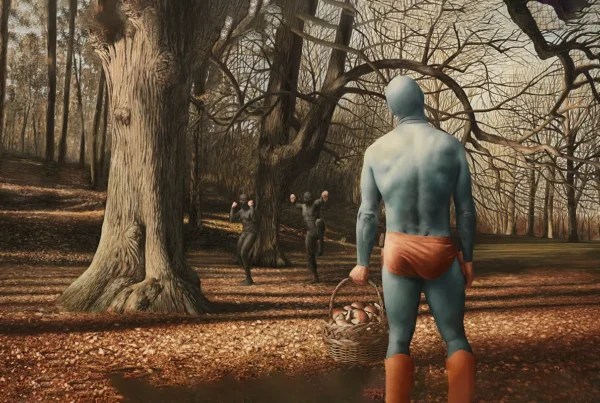
Marcel van Beek is a German-based visual artist and photographer whose practice is grounded in the intersection of painting, graphic art, scenic design and fine art photography. His academic education continues to inform every stage of his creative process, shaping an approach that treats photographs not as straightforward records of reality but as carefully composed spaces where light, atmosphere and structure carry equal importance. Rather than separating his artistic disciplines, he allows them to inform one another. Painting sharpened his sensitivity to composition, tonal relationships and visual balance, while scenic design introduced an awareness of space, framing and the subtle ways objects acquire meaning through placement and illumination. Photography ultimately became the medium that united these experiences by allowing direct engagement with the world while preserving the reflective qualities traditionally associated with painting.
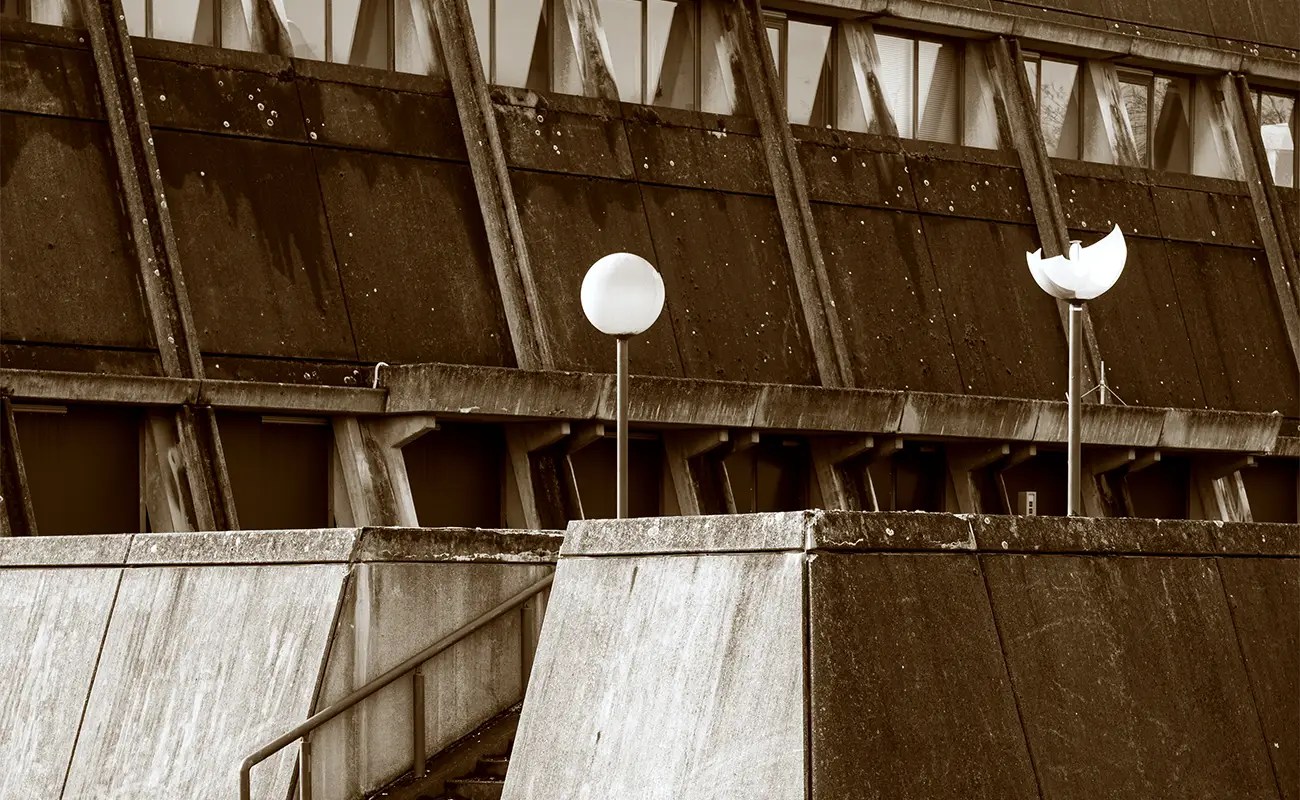
This combination of influences has led van Beek toward a highly distinctive visual language that seeks significance within ordinary surroundings instead of extraordinary subjects. Leaves, weathered concrete, reflections, architectural fragments, water, glass, curtains and traces left by time become recurring elements throughout his work. He is less interested in documenting these materials than in revealing moments when they appear to shift away from everyday familiarity and begin to suggest something symbolic, psychological or quietly mysterious. Through careful observation, he searches for situations where external reality echoes internal emotional states, allowing photographs to function as spaces in which memory, mood and perception overlap without relying on literal storytelling or narrative explanation.
Central to his artistic philosophy is the conviction that attention itself transforms experience. Rather than constructing elaborate scenes, van Beek approaches the world with patience, believing that overlooked details already contain extraordinary visual potential. His photographs invite viewers to reconsider common objects by slowing the pace of perception until surfaces begin to disclose unexpected emotional depth. Familiar environments gradually become uncertain, creating images that encourage contemplation rather than immediate recognition. This measured way of seeing establishes photography as an instrument of discovery, revealing hidden relationships between outward appearances and inward experience while encouraging viewers to encounter ordinary reality with renewed sensitivity.

Marcel van Beek: Photography Between Abstraction and Inner Resonance
Van Beek describes his artistic journey as a gradual process of learning to trust sustained observation. Painting initially offered a means of expressing symbolic imagery and internal emotional landscapes, yet photography expanded that search by demonstrating that the external world already contained many of the forms and tensions he had imagined. Instead of abandoning painterly thinking, he carried it into photography, producing images that occupy an intriguing space between representation and abstraction. Reduction plays a significant role within this practice, although it is never pursued for simplicity alone. By eliminating visual distraction, he strengthens the emotional and symbolic presence of seemingly modest subjects, allowing a stairwell, a reflection or a single leaf to command unexpected psychological weight.
His artistic concerns revolve around transformation, stillness, thresholds and the subtle tension between familiarity and strangeness. Condensation on glass, plant structures, architectural surfaces and reflections become opportunities to investigate how perception can be altered through framing, tonal adjustment, shallow focus, blur and inversion. These techniques are never employed as visual effects for their own sake. Instead, each decision contributes to an atmosphere in which commonplace objects begin to feel animated, uncertain or quietly symbolic. Van Beek consistently seeks moments where visual certainty dissolves, encouraging viewers to question whether they are observing physical reality, emotional memory or something suspended between the two.
The artists and traditions that inspire his work reinforce this direction. Romanticism and Symbolism provide enduring points of reference because of their capacity to transform visible reality into experiences charged with atmosphere and introspection. Within photography, he admires Josef Sudek for his restrained emotional precision and Mimmo Jodice for his contemplative treatment of architectural space. Japanese photographic traditions also hold particular significance, especially their appreciation of ambiguity, shadow and impermanence. Among these influences, Issei Suda occupies a special place through photographs that unite formal discipline with an uncanny emotional presence. Alongside these artistic references, everyday experiences remain equally influential, whether encountered during walks through forests, quiet interiors or unexpected encounters with changing weather and reflected light.

A Living Dialogue with Nature Through Chlorophyll Trance
Among van Beek’s most meaningful projects, the five-part photographic series Chlorophyll Trance occupies a central position because it embodies many of the questions that define his broader artistic practice. Created as fine art photography while moving deliberately toward abstraction, the series focuses on the leaves of a Monstera plant through close framing, motion blur, shallow depth of field, tonal inversion and carefully controlled editing. Although the botanical subject remains identifiable, the resulting photographs gradually shift beyond documentation, transforming familiar plant forms into complex visual environments filled with ambiguity and quiet intensity. The work demonstrates how photography can extend observation beyond simple recognition, encouraging viewers to encounter living forms with renewed curiosity.
Within the series, van Beek investigates whether ordinary natural structures can become symbolic thresholds rather than passive objects of observation. The characteristic openings within Monstera leaves begin to resemble windows, eyes or portals, while veins emerge as luminous networks carrying both physical and metaphorical energy. Blur and movement suggest breathing, transmission and vitality instead of static description. Rather than presenting nature as something distant or exotic, the photographs invite intimate engagement with its surfaces, encouraging prolonged contemplation of details that might otherwise remain unnoticed. Through this sustained attention, familiar plant life acquires an unexpected psychological and emotional presence.
This approach reflects van Beek’s broader interest in revealing the hidden intensity embedded within everyday experience. His photographs consistently resist dramatic spectacle, choosing instead to uncover quiet transformations that occur through careful looking. Across projects including Where the Umbrella Waits, Threshold Presence, Charged Sky, Fall Into the Depth, Ophelia Underwater, Stratocumulus Reflected, Arcus photinus (Luminous Arc), Mice Bunker Berlin III and The Path No One Chooses, recurring themes of atmosphere, perception and subtle mystery continue to emerge. Each series reinforces his commitment to finding emotional resonance within real encounters, allowing photography to become a bridge between material reality and inner reflection without abandoning the authenticity of direct observation.

Marcel van Beek: Time, Observation and the Future of Seeing
Van Beek’s daily practice unfolds through two complementary phases that balance intuitive discovery with deliberate refinement. The first takes place outdoors, where he works with a modest photographic setup while remaining responsive to changing light, weather and unexpected visual encounters. Rather than arranging elaborate scenes, he allows chance observations to guide his attention toward reflections, stains, plants, shadows, architectural fragments and subtle surface transformations. This mobility preserves spontaneity while enabling him to respond to fleeting moments that might disappear within seconds. Such encounters provide the raw material from which larger photographic series gradually emerge.
The second phase takes place in the studio, where editing becomes an equally important creative process. Van Beek views post-processing as an act of distillation rather than correction, refining tonal relationships and strengthening atmosphere until each image carries the emotional tension he seeks. Individual photographs rarely exist in isolation, instead developing into carefully sequenced bodies of work that evolve over extended periods through repeated review and reordering. This long-term commitment to series building also extends into self-published photobooks, with Portae Arcanae scheduled for publication in 2026. The book represents another way of shaping visual narratives that encourage sustained viewing beyond the experience of individual images.
Looking ahead, van Beek intends to deepen his investigation of long exposure and motion blur as methods for making time visible within photography itself. He is particularly interested in how movement, shifting light and prolonged exposure can transform recognisable natural forms into fluid, dreamlike visual experiences while remaining rooted in genuine encounters with the physical world. This direction continues the central concerns that have defined his work from the beginning, namely revealing hidden dimensions within familiar surroundings through careful observation, formal precision and atmospheric sensitivity. By allowing perception to unfold gradually, Marcel van Beek continues to deepen his exploration of photography as a means of revealing the quiet mysteries concealed within everyday life.