“I found freedom in the paint, freedom from sadness, trauma, buried memories and stress.”
Alexandra Baker: Where Color Becomes a Path Toward Healing
Painting entered Alexandra Baker’s life with remarkable urgency rather than careful planning. Although she explored art classes as a child, her true artistic practice began unexpectedly in 2018 while living in San Diego, California. A powerful inner calling gradually became impossible to ignore, leading her to purchase canvases and paint despite having never studied painting formally. That first encounter with brush and canvas became far more than a creative experiment. It marked the beginning of a deeply personal process that united prayer, healing, and artistic discovery. Baker, a self taught 2SLGBTQIA+ painter raised in Memphis, Tennessee, has also lived in Vermont and Italy, experiences that have broadened her perspective while reinforcing an intensely personal relationship with creativity. Rather than approaching painting as an academic exercise, she treats each canvas as a place where emotional truth can emerge naturally through color, movement, and intuition.
The freedom Baker discovered through painting quickly became inseparable from her emotional wellbeing. Every brushstroke offered relief from sadness, trauma, buried memories, and accumulated stress that words alone could not adequately express. Instead of attempting to illustrate experiences literally, she developed an intuitive visual language where vivid colors communicate emotional transformation. This evolving process became the foundation of what she describes as Healing Thru Color, a philosophy that continues to define her artistic identity years after she first picked up a brush. Each composition reflects a dialogue between lived experience and spiritual reflection, allowing personal stories to expand into shared emotional spaces where viewers often recognize parts of themselves. The paintings therefore function as invitations rather than explanations, encouraging individual interpretation while remaining rooted in sincere personal experience.
Faith also occupies an essential place within Baker’s practice. She approaches the studio as a place to heal, pray, and play simultaneously, allowing creativity to become an act of trust rather than control. Vibrant palettes are not selected simply for visual impact but because they carry emotional and spiritual resonance throughout the creative process. Instead of prescribing fixed meanings, Baker encourages viewers to bring their own histories into conversation with the work, creating relationships between artist, audience, and Creator. This openness allows each painting to remain alive beyond its completion, offering comfort, reflection, and possibility through color that continues to evolve within every individual encounter.

Alexandra Baker: Transforming Personal Pain into Shared Compassion
One of Baker’s earliest milestones came through a painting titled 7 Directions, originally carrying the working title Grief Relief. The work became the first painting she sold, yet its significance extends well beyond that achievement. Inspired by the memory of a young woman from her small Christian high school who was bullied to death because she was gay, the painting serves as an act of remembrance, compassion, and spiritual care. Baker created the work to honor that life while offering comfort to anyone carrying grief. Even years later, it remains her most popular print, demonstrating how deeply its emotional message continues to resonate with viewers seeking hope, healing, and reassurance.
Healing remains the driving force behind Baker’s artistic process because it continues to shape her own life. Painting provides a visual language capable of expressing emotions and memories that once existed beyond conscious awareness. During her earliest years of painting, subconscious experiences emerged through texture and color before she could fully articulate them verbally. Over time, some of those memories resurfaced, allowing her to continue processing them through therapy, yoga, and sustained artistic practice. Rather than separating emotional wellbeing from creativity, Baker sees these experiences as interconnected, with each painting becoming another opportunity to release what has been hidden while making room for restoration and growth.
This deeply personal process ultimately expands into a broader vision of collective healing. Baker believes that releasing individual pain can also contribute to compassion within wider communities. Blank canvases become places where silence is replaced by expression, allowing emotional burdens to transform into visual experiences that encourage empathy. Instead of presenting definitive answers, her paintings acknowledge vulnerability while emphasizing resilience, forgiveness, and connection. That balance between personal testimony and universal emotion enables viewers from many different backgrounds to discover meanings uniquely relevant to their own lives while remaining connected to the sincere intentions that inspired each work.

Witnesses of History Through Color and Landscape
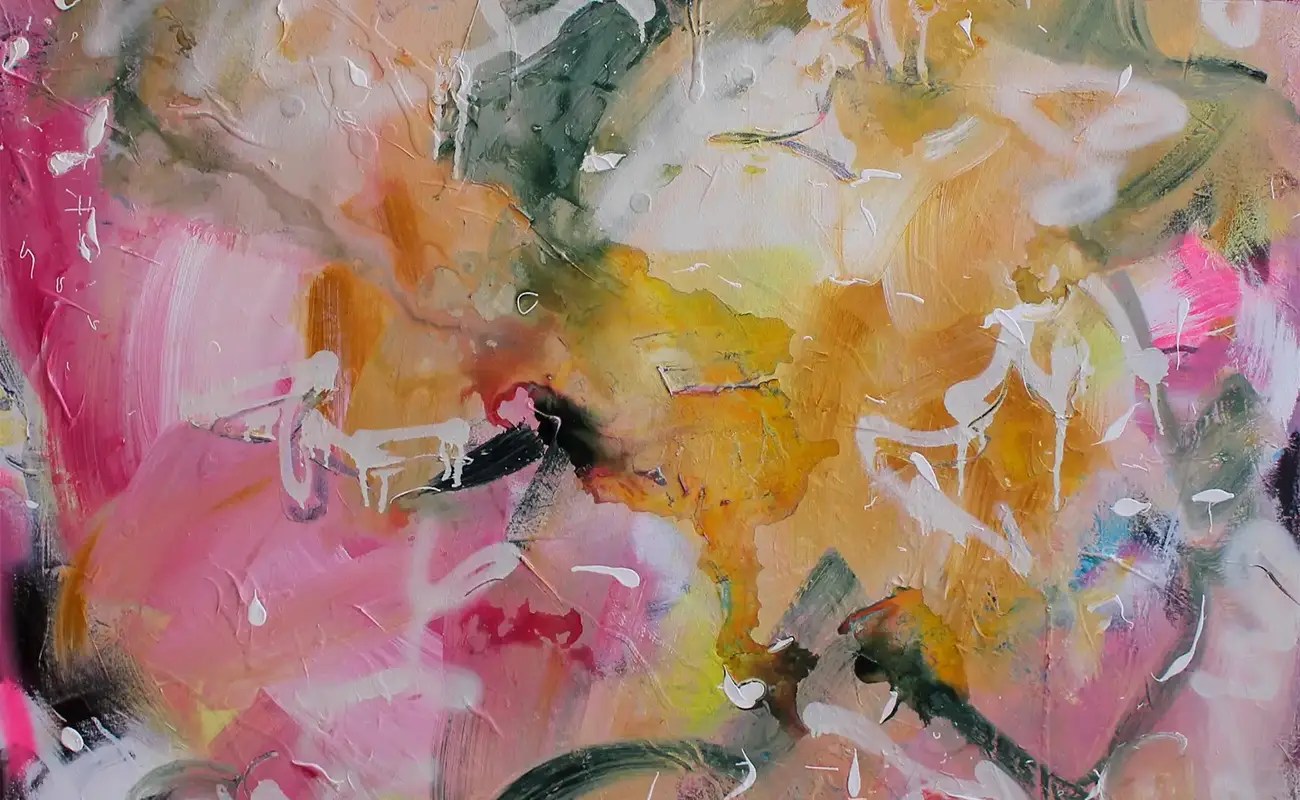
Historical memory plays an increasingly significant role within Baker’s artistic practice, particularly through works that explore the enduring presence of trauma within landscapes. Her large scale painting Red Earth, measuring 48 by 60 inches, represents an important milestone as the first painting of that size she sold. Created with water, acrylic paint, and spray paint, the work reflects upon Native American genocide and the institution of American slavery. Baker imagines the earth itself as a silent witness carrying the blood of countless lives while continuing to sustain humanity through flowers, harvests, and ongoing renewal. This contrast between historical violence and continuing generosity forms the emotional center of the painting.
Within Red Earth, Baker connects historical suffering with spiritual reflection rather than despair alone. She presents the land as an enduring expression of unconditional love and forgiveness despite humanity’s capacity for immense cruelty. The painting encourages viewers to confront painful histories without losing sight of compassion or hope. Instead of reducing history to symbolic gestures, Baker uses expressive color and layered materials to create an atmosphere where remembrance becomes inseparable from healing. Acrylic paint, water, and spray paint contribute distinct visual textures that reinforce the emotional complexity of the subject while supporting the intuitive energy that defines her broader practice.
Music also influences the rhythm and emotional movement of Baker’s daily studio routine. Whenever a fresh canvas appears before her, she begins painting with openness rather than predetermined formulas. Different musical styles can shape the composition, pacing, and emotional atmosphere of a work, allowing sound and color to interact naturally throughout the creative process. This willingness to remain responsive rather than rigid reflects her broader philosophy that paintings should emerge through attentive listening to both inner experience and external inspiration instead of strict technical planning.

Alexandra Baker: Imagining New Life Beneath the Waves
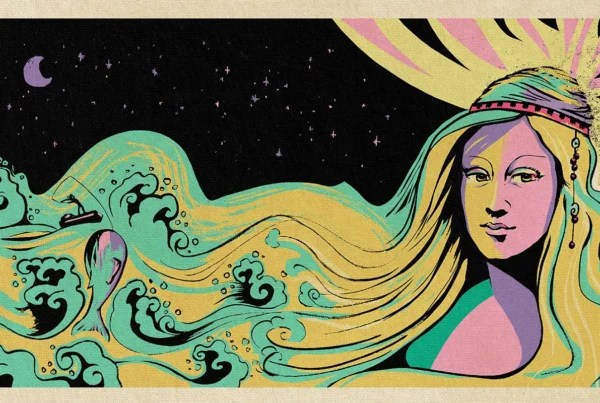
Another deeply meaningful painting within Baker’s growing body of work is Red Waters, a composition that first appeared to her in a dream before becoming reality on canvas. The painting reflects upon the Atlantic Ocean as the world’s largest underwater cemetery, acknowledging the countless lives lost during the Trans Atlantic Slave Trade. Baker transforms this painful history through an imaginative vision in which mermaids welcome the departed into new existence beneath the sea. The vivid red tones symbolize blood within the water while simultaneously referencing the root chakra, an energy center associated with safety and stability. Through this dual symbolism, the painting invites viewers to experience grief alongside comfort, remembrance alongside renewal.
The relationship between history, spirituality, and imagination gives Red Waters its emotional depth. Baker uses the changing light of sunrise and sunset as visual metaphors for transition, suggesting that endings and beginnings can coexist within the same narrative. Rather than attempting to erase historical suffering, the painting creates space for dignity, remembrance, and compassionate reflection. Her interpretation allows mythological imagery to exist beside historical memory without diminishing either, demonstrating how intuitive painting can expand conversations about collective loss while remaining grounded in emotional sincerity and spiritual care.
Looking ahead, Baker hopes to continue exploring aquatic themes through future projects inspired by the ocean and its symbolic possibilities. She dreams of participating in an artist residency beside the water where she can further develop paintings centered on mermaids, marine environments, and the stories carried within the sea. This direction grows naturally from the emotional and spiritual concerns that have always shaped her work, extending Healing Thru Color into new environments while maintaining the same commitment to remembrance, transformation, and hope. Every future canvas promises another opportunity to invite viewers into spaces where color, faith, memory, and imagination come together in meaningful conversation.