“Painting wasn’t simply something I enjoyed, it was the most honest way I could explore ideas that couldn’t be expressed in words.”
A Life Between Cultures and the Quiet Search for Belonging
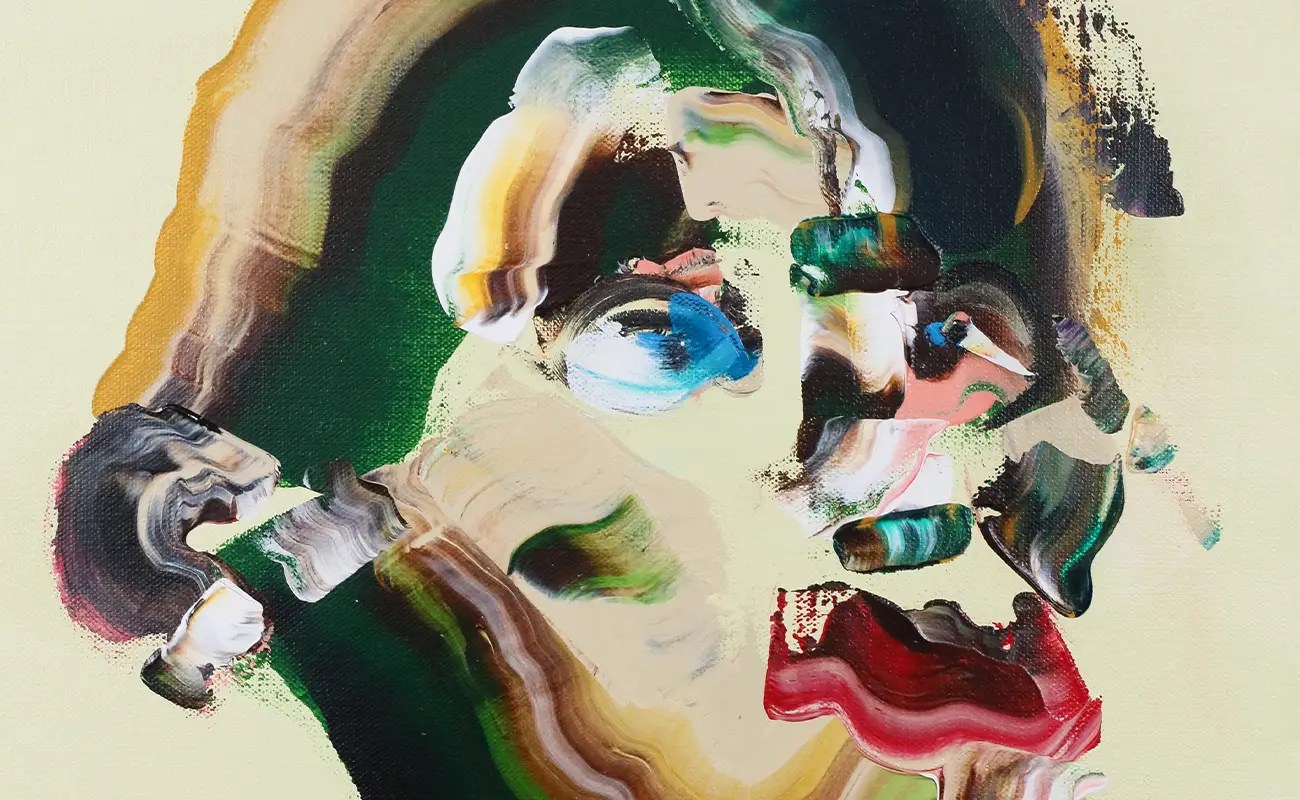
Few artists approach painting as both a personal language and a process of emotional discovery. Melbourne based Australian painter Nunzio Miano draws upon his Sicilian heritage to create works that exist between abstraction and portraiture, inviting viewers into spaces where identity, memory, and belonging remain fluid rather than fixed. His paintings resist literal storytelling, preferring instead to communicate through colour, gesture, layered forms, and atmosphere. This openness allows every viewer to bring their own experiences into the work while engaging with universal emotional themes. Years spent moving between Australia and Italy have strengthened his awareness of how culture, history, and place shape personal identity, giving his paintings a thoughtful emotional depth that extends beyond autobiography. Rather than presenting definitive answers, his practice creates opportunities for reflection, encouraging audiences to consider the subtle ways memory continues to influence the present.
Before dedicating himself entirely to painting, Miano established a successful career in graphic design and art direction. Those professional experiences continue to influence his artistic decisions through a strong understanding of composition, visual rhythm, and balance. While design demanded clear communication and purposeful structure, painting offered something fundamentally different. It became the space where ideas too complex for language could emerge naturally through the physical act of making images. This transition was not a rejection of his previous career but an expansion of it, allowing technical knowledge and visual discipline to support a much more intuitive creative process. His paintings demonstrate that carefully considered structure and emotional spontaneity are not opposing forces but complementary elements capable of producing deeply engaging visual experiences.
Growing up between Australian and Italian traditions provided Miano with an enduring awareness of dual identity. Family history, migration, cultural inheritance, and recurring visits to Europe have all contributed to his evolving perspective. Italy remains particularly significant because it reinforces connections between landscape, history, ancestry, and contemporary experience. These influences are never presented as nostalgic recreations of the past. Instead, they become starting points for examining how individuals construct meaning through memory and personal history. By transforming lived experience into expressive imagery, Miano creates paintings that remain intimate while speaking to broader questions about belonging, displacement, and the emotional complexities shared across cultures and generations.

Nunzio Miano: Painting the Space Between Abstraction and Portraiture
Art entered Miano’s life early through drawing and painting, yet his creative path initially unfolded within the commercial arts before ultimately returning to fine art practice. That journey strengthened his understanding that painting represented more than a preferred medium. It became the most authentic method for examining emotional experiences that resist straightforward explanation. His work occupies an engaging position between abstraction and portraiture, combining recognisable human presence with expressive forms that remain intentionally unresolved. Rather than illustrating specific narratives, each composition encourages viewers to participate actively, discovering meanings shaped by their own memories, emotions, and perspectives. This openness reflects his belief that paintings become richer when interpretation remains personal rather than prescribed.
Emotion forms the central foundation of Miano’s creative practice. Everyday conversations, travel, literature, music, and moments of careful observation frequently become the seeds from which new works develop. Equally important are places carrying visible layers of history, where architecture, landscape, and cultural memory continue to influence contemporary life. These environments reinforce his fascination with the relationship between personal experience and collective identity. Among the artists he most admires are painters capable of combining technical confidence with profound emotional sensitivity. Realistic representation alone does not hold his attention. Instead, he values artwork that feels intimate while remaining open enough to encourage multiple interpretations, creating lasting emotional connections without relying upon literal explanation.
This balance between expressive freedom and careful visual construction distinguishes Miano’s approach. Colour becomes emotional language, gesture introduces movement and uncertainty, while layered surfaces suggest the gradual accumulation of lived experience. Throughout the painting process, forms emerge, disappear, and reappear, reflecting the unstable nature of memory itself. Such methods reinforce the central themes running throughout his practice, demonstrating that identity is rarely fixed and emotions seldom follow simple narratives. By embracing ambiguity rather than resisting it, Miano creates paintings that continue unfolding long after viewers first encounter them, rewarding prolonged observation with increasingly nuanced emotional resonance.

Memory, Migration, and the Emotional Weight of Home
Among Miano’s most significant works is Woman with Ambiguous Loss, a painting that became a finalist in the Australian National Emerging Art Prize. The work carries exceptional personal importance because it draws directly upon his family’s migration from Sicily to Australia while addressing experiences shared by countless migrant families across generations. Although rooted in specific family history, the painting reaches beyond autobiography to examine universal questions surrounding displacement, identity, hope, and emotional sacrifice. Through its semi abstract visual language, the work transforms deeply personal memories into a broader reflection on what it means to leave one home while attempting to build another.
The painting explores the idea of ambiguous loss, describing the quiet grief that accompanies migration when familiar places, relationships, language, and cultural identity remain emotionally present despite physical separation. Miano reflects upon the expectations held by his grandparents, who arrived in Australia believing they would live like kings and queens, only to discover opportunities accompanied by a lingering sense of displacement that remained largely unspoken. A solitary figure occupies the composition, surrounded by personal possessions while maintaining a distant expression that simultaneously suggests optimism and uncertainty. This carefully balanced emotional tension allows the painting to communicate multiple experiences at once, avoiding simplistic narratives about migration while acknowledging its lasting psychological complexity.
The physical process of making the painting mirrors its emotional subject. Multiple layers of paint were gradually built, erased, and reworked until forms appeared and disappeared across the surface. This evolving approach became an effective metaphor for memory itself, which rarely exists as something complete or entirely stable. Fragments remain, meanings shift, and recollections change over time. By allowing the image to develop organically rather than forcing predetermined outcomes, Miano reinforced the central themes of belonging, identity, and emotional inheritance. The resulting work demonstrates how personal family history can become a powerful lens through which wider human experiences are explored with sensitivity and openness.

Nunzio Miano: Following History Across Italy and Greece
Miano approaches each day in the studio without imposing rigid expectations upon the work before him. Time is first spent observing paintings already in progress before any brush is lifted. This period of quiet looking allows each canvas to suggest its own direction rather than following a predetermined formula. Some studio sessions involve dramatic changes that completely alter a composition, while others focus upon subtle adjustments that slowly transform the emotional balance of a painting. He describes painting as an ongoing conversation, recognising that meaningful developments often emerge through patience, responsiveness, and careful observation instead of strict planning.
This flexible working method reflects his broader artistic philosophy. Rather than controlling every outcome from the beginning, Miano welcomes uncertainty as an essential component of creativity. Each layer of paint contributes to an evolving dialogue between intention, instinct, and discovery. The process remains closely aligned with the themes explored throughout his work because identity, memory, and emotional understanding rarely develop through straightforward progression. Instead, they unfold gradually through experience, revision, and reflection. By embracing this rhythm inside the studio, he creates paintings that feel alive with movement, complexity, and emotional authenticity.
Looking ahead, Miano is preparing a new body of work during extended periods in Europe, with particular focus on Italy and Greece. Returning to Sicily while also working in Greece offers an opportunity to examine the historical connections linking both cultures and to consider how ancient influences continue shaping contemporary identity. These residencies will provide the time and space needed for sustained observation, allowing local environments, cultural memory, and personal experience to influence new paintings naturally. Through this continued exploration, Miano seeks to deepen his ongoing investigation into belonging, history, and the emotional landscapes that connect individuals across generations, geography, and shared cultural inheritance.