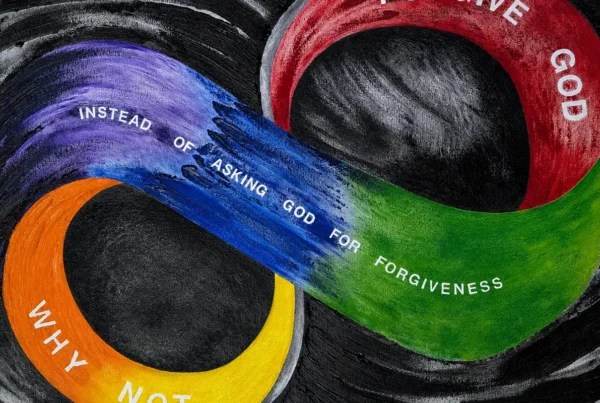
“We Will Meet Again carries both sorrow and hope, and for me it represents resilience and the quiet return of strength.”
A Life Reimagined Through Creative Expression
Life can change direction unexpectedly, opening paths that once seemed distant. For Lea Karvala, painting emerged as a profound new chapter after a long and successful career as an entrepreneur. During a generational transition within her family business, leadership passed to her daughter, creating space for reflection and new pursuits. What initially began as a modest hobby gradually evolved into a dedicated artistic practice. Today, she works consistently in her own studio, producing new paintings while continuing to expand her presence through exhibitions in Finland and internationally. Her artistic development was not the result of a sudden decision but rather a natural progression that grew from curiosity, commitment, and a desire for personal expression.
The foundations of Karvala’s artistic outlook were shaped long before she fully embraced painting. Extensive travel connected to her professional life exposed her to museums, galleries, and a wide range of artistic traditions. Business trips often became opportunities to experience visual culture firsthand, allowing her to engage with the work of celebrated artists across different countries and contexts. These encounters enriched her understanding of art and expanded her appreciation for the many ways emotions, ideas, and experiences can be communicated through imagery. The cumulative effect of these experiences continues to inform the richness and depth found within her paintings.
Equally significant are the personal experiences that have marked her life. Serious illnesses affecting both of her children and the loss of her husband introduced profound challenges that transformed her perspective. Rather than turning away from these experiences, Karvala found in painting a means of processing grief, preserving hope, and moving forward. Her art became both a source of resilience and a channel through which difficult emotions could be transformed into visual form. This emotional honesty remains a defining aspect of her practice, giving her work a sense of authenticity that resonates beyond aesthetics alone.

Lea Karvala: Painting from Within
Karvala describes her journey into art as something that happened gradually, almost without conscious realization. More than a decade of dedicated study under several respected Finnish art teachers strengthened her technical abilities while encouraging personal exploration. Despite years of practice and exhibition experience, she continues to view artistic growth as an ongoing process. The belief that an artist is always learning remains central to her approach, fostering curiosity and openness rather than fixed conclusions. This mindset allows her work to remain dynamic, continuously evolving through experimentation and reflection.
Acrylic paint serves as her primary medium because it aligns naturally with her energetic and intuitive working style. Its flexibility and responsiveness support a process driven by emotion and instinct. Although acrylics dominate her practice, she has also explored watercolor, tempera, oil paints, and pastels, broadening her understanding of material possibilities. Each medium has contributed to her artistic vocabulary, yet acrylic remains the most effective vehicle for translating immediate feelings into visual expression. The speed and versatility of the material complement the spontaneity that characterizes much of her work.
An important aspect of Karvala’s artistic identity stems from a visual perception disorder that makes photorealistic representation impossible. Rather than viewing this as an obstacle, she has embraced it as a defining characteristic of her creative language. Her paintings emerge from internal experience rather than exact observation. Shapes, colors, and compositions are guided by feeling, memory, and intuition instead of literal depiction. This approach places her closest to abstract expressionism, where emotional truth carries greater importance than visual accuracy. Through this perspective, limitation becomes strength, allowing her paintings to communicate experiences that transcend straightforward representation.

Between Darkness and Light
Beauty and joy occupy a central place in Karvala’s contemporary work, yet these qualities exist alongside a willingness to engage with sorrow and vulnerability. Her paintings often arise from the emotional contrasts that shape human experience. Moments of happiness are enriched by an awareness of loss, while difficult periods can reveal unexpected sources of strength. This movement between opposing emotional states gives her work depth and complexity, creating paintings that invite reflection rather than offering simple answers. The coexistence of darkness and light forms a recurring thread throughout her artistic practice.
The influence of teachers has been significant in her development, but Karvala’s inspirations extend far beyond direct instruction. She expresses admiration for artists whose visual approaches differ greatly from her own. While her paintings often embrace layered surfaces, expressive gestures, and rich visual activity, she is deeply drawn to the quiet restraint and simplicity associated with figures such as Helene Schjerfbeck. This appreciation demonstrates an openness to diverse artistic philosophies and a recognition that powerful expression can emerge through many different means. Such influences enrich her perspective without diminishing the individuality of her own voice.
Beyond artistic influences, life itself remains her greatest teacher. Travel, personal loss, endurance, hope, and the search for beauty all contribute to the emotional foundation of her work. These experiences provide material that cannot be learned through technique alone. Instead, they shape the atmosphere, energy, and meaning embedded within each painting. The result is a body of work that reflects lived experience while remaining open to universal interpretation. Viewers encounter not only visual compositions but also traces of a life shaped by resilience, observation, and continual transformation.

Lea Karvala: The Quiet Strength of “We Will Meet Again”
Among Karvala’s works, We Will Meet Again holds particular emotional significance. Created using acrylic paint and paste on canvas, the piece emerged from a deeply personal period marked by grief and transition. Rather than focusing solely on loss, the painting captures a moment when darkness began to give way to renewed possibility. It reflects the realization that survival itself can become a source of strength and that healing often arrives gradually. Through its emotional intensity, the work embodies both mourning and hope, presenting them not as opposites but as interconnected experiences.
The painting represents a pivotal turning point in Karvala’s life. Within its layers exists a visual expression of endurance, reflecting the process of rediscovering light after profound sorrow. For the artist, the work symbolizes resilience and the quiet return of inner strength. Its significance extends beyond personal memory, offering viewers an opportunity to connect with themes of recovery and perseverance. The emotional honesty embedded in the painting allows it to communicate across individual circumstances, touching on experiences familiar to many who have navigated loss and renewal.
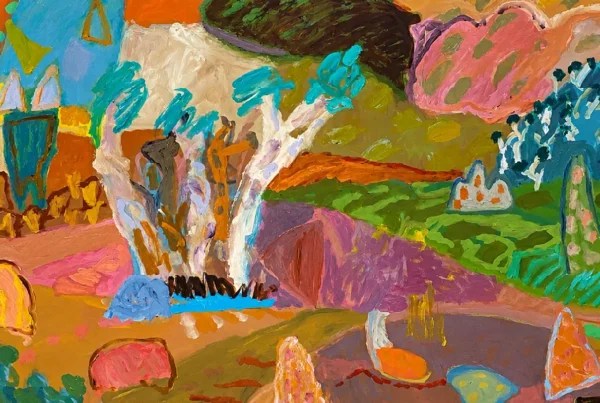
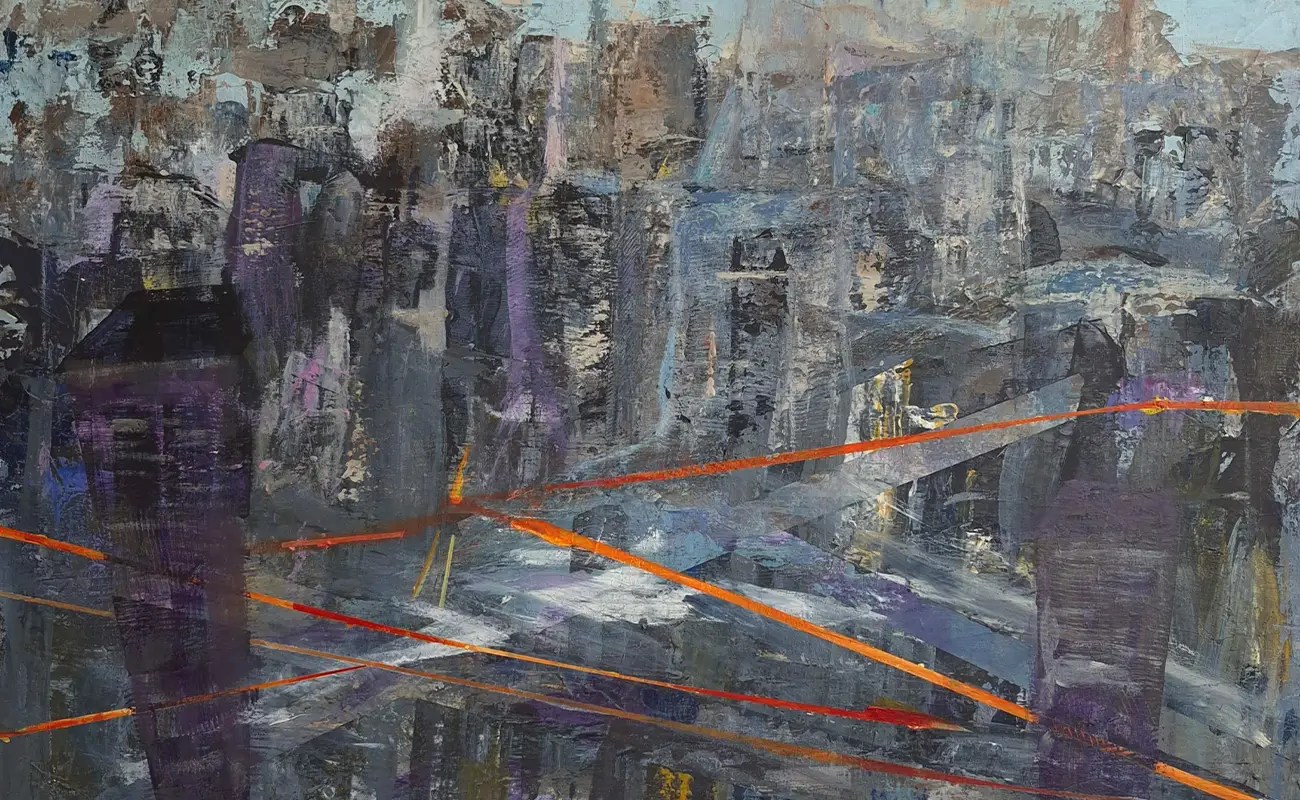
Karvala’s broader artistic practice continues to explore relationships between environments, emotions, and human experience. She often paints nature and cities as entirely separate worlds. Her urban landscapes are notably empty, devoid of people, parks, or visible signs of communal life, creating an atmosphere of distance and stillness. In contrast, her depictions of nature exclude urban elements altogether, preserving an untouched sense of presence. This separation reveals an underlying tension while also expressing a desire for greater harmony. Through these contrasting subjects, she imagines a future in which urban living and nature coexist more closely, creating environments that support both well-being and psychological balance.