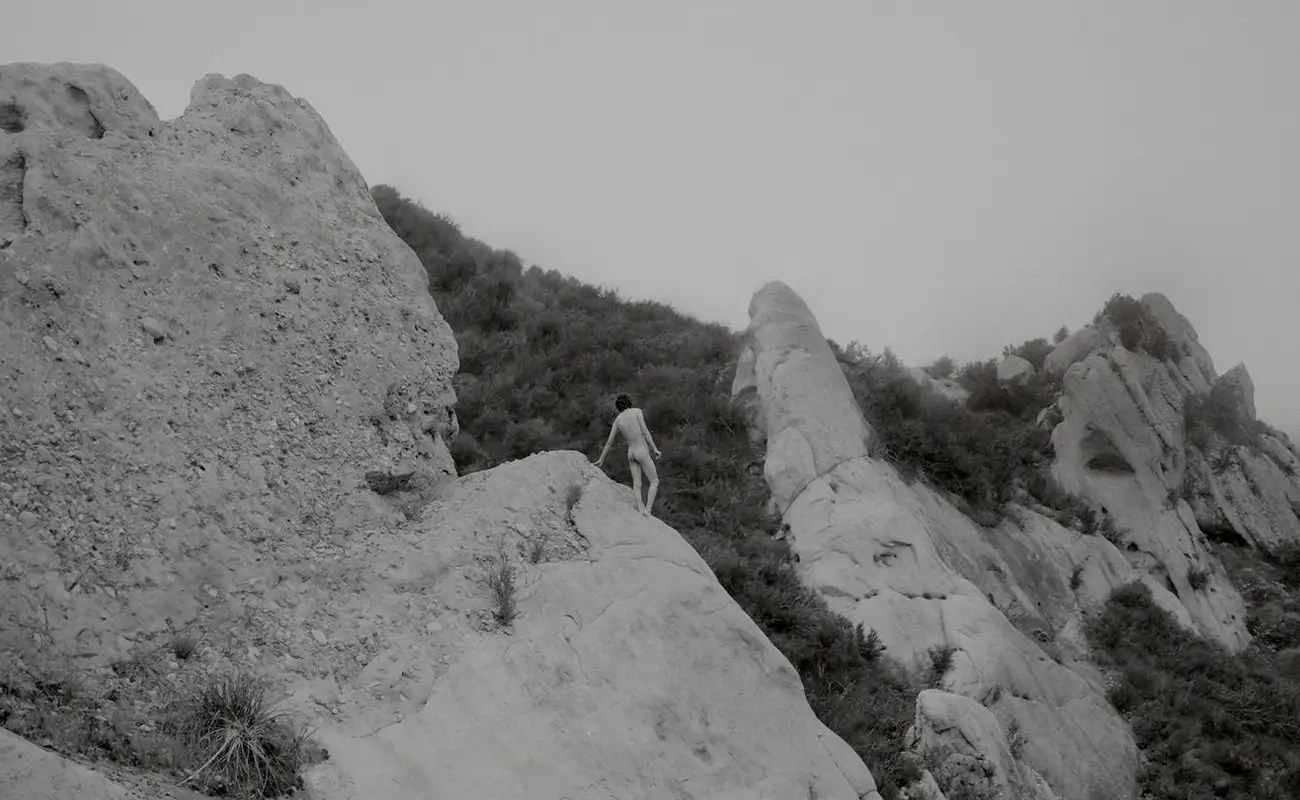
“The body seeks visibility. The landscape simultaneously shelters and conceals it.”
Mapping Desire Across Unseen Geographies
Luca Varano is a photographer whose work brings together landscape, memory, identity, and queer history through a visual language that is both restrained and emotionally resonant. Born in New Jersey and now based in Los Angeles, he earned a BFA in Photography from the Rhode Island School of Design, where he developed a practice centered on narrative image-making and the examination of overlooked stories. Rather than approaching photography as a simple recording device, Varano uses the medium to investigate how people leave traces within environments shaped by secrecy, longing, and social exclusion. His photographs often occupy a space between observation and interpretation, encouraging viewers to consider what remains visible and what has been obscured by time. Across his projects, landscapes become carriers of cultural memory, while human figures appear as fleeting presences within broader historical narratives. This approach allows his images to operate on multiple levels simultaneously, functioning as records of place, reflections on identity, and meditations on the persistence of queer experience within the American landscape.
Central to Varano’s practice is an interest in locations that exist outside conventional narratives of public history. Forest edges, desert expanses, roadside corridors, industrial ruins, and neglected gathering sites become important subjects because they contain stories that rarely appear in official archives. These environments are not presented as picturesque destinations or romanticized scenery. Instead, they are treated as living repositories of experience, shaped by the people who have occupied them over decades. Through careful composition and a thoughtful use of scale, Varano often positions the body as a small yet significant element within larger surroundings. The resulting images communicate a sense of vulnerability while also suggesting resilience. Viewers encounter spaces that appear quiet or abandoned, yet the photographs imply layers of activity, memory, and personal history beneath the surface. This tension between visible emptiness and invisible presence becomes one of the defining characteristics of his artistic vision.
Another distinguishing feature of Varano’s work is his use of black-and-white photography. By removing the distraction of color, he creates images that resist easy placement within a specific era. The photographs feel suspended between past and present, reinforcing the project’s engagement with historical memory and contemporary experience. Texture, gesture, shadow, and spatial relationships take on greater significance, allowing subtle details to carry emotional weight. Figures frequently appear partially hidden, turned away from the camera, or absorbed into surrounding terrain. This visual strategy reflects broader themes within his work, particularly the negotiation between visibility and concealment that has shaped many queer experiences. Rather than relying on dramatic gestures or sensational imagery, Varano builds atmosphere through restraint. The resulting photographs invite sustained attention, rewarding viewers who are willing to engage with ambiguity and consider the deeper histories embedded within the landscapes he documents.

Luca Varano: Reframing the History of Cruising
At the center of Varano’s recent work stands Cruising in America: East & West, a photographic series examining public acts of homosexual intimacy across the American landscape. The project investigates a practice that emerged from necessity and evolved into a complex cultural phenomenon shaped by anonymity, risk, desire, and community. Drawing upon his own experiences while engaging with broader historical narratives, Varano approaches cruising not as spectacle but as an important aspect of queer social history. The series recognizes that many of these encounters occurred in spaces that escaped formal documentation, creating significant gaps within visual archives. Photography therefore becomes a means of addressing absence as much as presence. Through the project, Varano considers how memories survive when direct records are limited and how landscapes continue to carry evidence of lives and encounters that remain largely invisible within mainstream historical accounts. The work presents cruising as both a personal experience and a collective cultural story.
A particularly important aspect of the project lies in its ethical framework. Varano avoids exposing individuals who continue to use these locations, choosing instead to create collaborative reenactments that suggest presence without direct surveillance. This decision shapes the visual character of the series and contributes to its conceptual depth. Some images function as documentary observations of actual environments, revealing traces left behind within landscapes during daylight hours. Others reconstruct moments that could not be photographed directly or responsibly. Through this combination of documentation and invention, the project occupies an intriguing space between evidence and imagination. Rather than claiming complete historical certainty, the photographs acknowledge the limitations of representation while still striving to communicate emotional truth. This balance allows the work to engage with sensitive subject matter without sacrificing respect for the communities and individuals connected to these sites. The resulting images possess a quiet power that emerges from suggestion rather than explicit explanation.
The relationship between body and landscape becomes especially significant throughout the series. Varano often presents figures as extensions of their surroundings, allowing human forms to merge with rocks, vegetation, architectural structures, and transitional spaces. This approach transforms the body into a marker of presence rather than a conventional portrait subject. Within these photographs, terrain and figure appear inseparable, reflecting the ways cruising culture has historically relied upon environmental conditions for concealment, discovery, and connection. The visual tension created by this strategy reinforces one of the project’s most compelling themes. Bodies seek recognition, intimacy, and encounter, while the surrounding landscape offers both shelter and obscurity. Through carefully controlled compositions, Varano reveals how physical environments shape social experiences and how geography itself can become an active participant in narratives of desire, memory, and belonging.

Between Suburban Interiors and Desert Frontiers
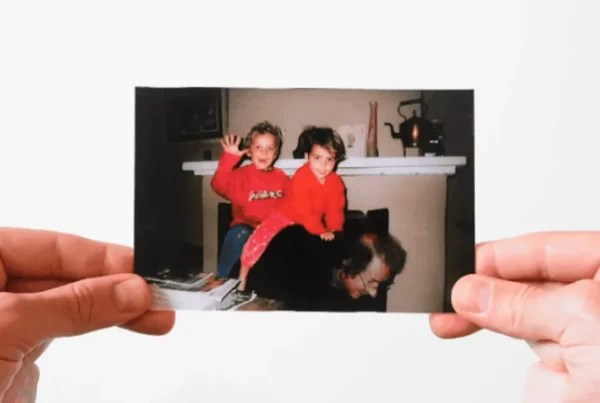
The series unfolds through two interconnected chapters that examine distinct environments and emotional registers. Cruising in the East turns toward spaces associated with adolescence, personal memory, and the formation of identity. Suburban interiors, parked vehicles, bathroom stalls, and abandoned industrial sites become stages upon which early experiences of sexuality were negotiated. Varano revisits these environments not to celebrate nostalgia but to examine the complicated dynamics they contain. For many individuals, such spaces represented opportunities for exploration outside the expectations of heteronormative domestic life. They were places of experimentation, uncertainty, vulnerability, and discovery. By photographing and reimagining these locations, Varano creates a visual archive for experiences that often remained undocumented. The images acknowledge the tension between private desire and public restriction while highlighting the significance of environments that supported personal development during formative years. Through this process, the ordinary becomes historically meaningful.
Within Cruising in the East, the presence of intimacy is balanced by an awareness of social pressure and marginalization. The photographs do not attempt to romanticize the past or erase its complications. Instead, they present scenes that feel raw, immediate, and emotionally layered. Architectural details, worn surfaces, and neglected structures contribute to a sense of accumulated history, while carefully positioned figures introduce moments of vulnerability and connection. These images suggest that identity develops not only through personal reflection but also through interaction with physical surroundings. Every location carries traces of prior encounters, and each photograph hints at stories extending beyond the frame. Through this nuanced approach, Varano transforms familiar environments into sites of reflection, demonstrating how landscapes of everyday life can become powerful repositories of memory and desire.
Cruising in the West shifts the narrative outward into the vast deserts of California, where themes of sexuality intersect with cultural myths surrounding the American frontier. Here, Varano examines how queerness operates within a landscape frequently associated with rugged masculinity, cinematic fantasy, and national identity. Influenced by images of the cowboy and the mythology of the Wild West, the work confronts narratives that have traditionally excluded queer perspectives. The immense scale of the desert becomes central to the project’s visual and conceptual structure. Endless horizons, rock formations, crevasses, and scattered artifacts create settings where intimacy appears both exposed and hidden. Bodies become abstract forms within expansive terrain, emphasizing the paradox that openness can also provide concealment. Through these photographs, Varano reveals how marginalized histories persist within landscapes often imagined as symbols of freedom while simultaneously challenging conventional understandings of who belongs within those narratives.

Luca Varano: Photography as Archive and Imagination
One of the most compelling aspects of Varano’s artistic practice is his ability to move fluidly between documentary observation and constructed imagery. Many photographs initially appear straightforward, inviting viewers to read them as records of actual places and events. Yet closer examination reveals carefully considered ambiguities that complicate such interpretations. Figures adopt poses that feel intentional without becoming theatrical, while environments contain traces that suggest narratives extending beyond direct observation. This interplay between authenticity and invention forms a critical part of his visual strategy. Rather than presenting photography as a transparent window onto reality, Varano acknowledges the medium’s capacity to interpret, reconstruct, and imagine. The resulting images exist within a productive uncertainty where personal memory intersects with collective history. Through this approach, he creates photographs that feel simultaneously discovered and composed, encouraging viewers to participate actively in the process of meaning making.
The emotional atmosphere of the work further distinguishes it within contemporary photography. Despite engaging with subjects that involve desire, nudity, and queer visibility, Varano avoids sensationalism. His photographs are characterized by a reflective tone that allows complexity to emerge gradually. Melancholy, tenderness, contemplation, and subtle unease coexist within the same visual space. Empty landscapes frequently carry as much emotional significance as scenes containing people. Footprints, tire marks, abandoned objects, and architectural remnants function almost like portraits, pointing toward lives that remain outside the frame. This emphasis on absence expands the project beyond individual experiences and connects it to broader questions of historical memory. Viewers are invited to consider not only what is visible but also what has disappeared, been forgotten, or deliberately excluded from public narratives. Such concerns place Varano’s work within important conversations about preservation, representation, and cultural history.
His photographs also resonate with several artistic traditions while maintaining a distinct identity. Connections can be drawn to American documentary photography, landscape-based image making, performance-oriented practices, and queer archival approaches. Yet Varano combines these influences in ways that feel uniquely his own. His sustained focus on cruising culture, coded environments, and the emotional residue of human presence creates a body of work that extends beyond conventional categories. Through carefully structured compositions and an acute sensitivity to place, he transforms forests, deserts, highways, and overlooked gathering sites into spaces charged with meaning. These locations become evidence of communities that have often survived through traces rather than monuments. By preserving and reimagining those traces, Varano contributes to an ongoing effort to expand the visual history of queer life. His photography demonstrates how landscapes can hold memory, how absence can communicate presence, and how images can recover stories that might otherwise remain unseen.