

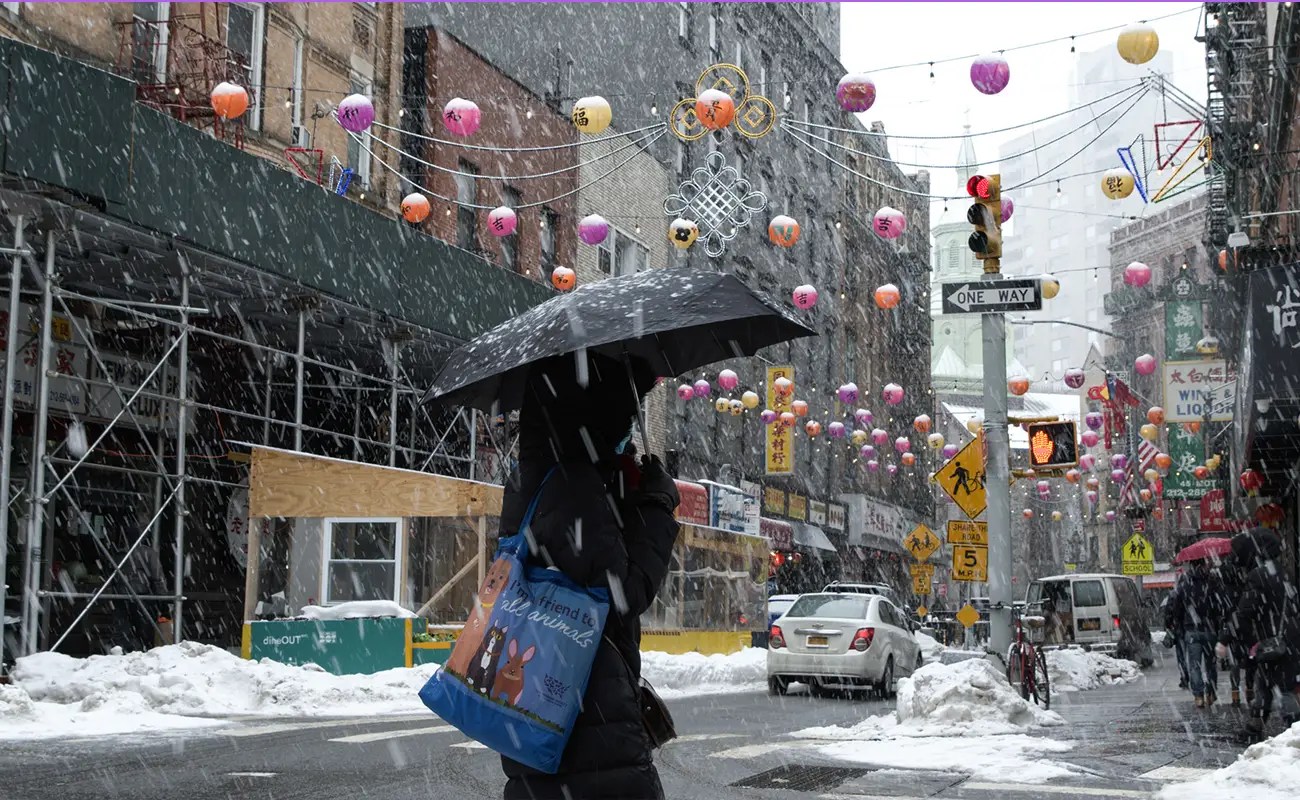
“Travel can simultaneously represent freedom, hope, separation, and uncertainty.”
Movement as a Creative Force
Ryan Muchen Wang is a New York based filmmaker and multidisciplinary artist whose creative practice grows from experiences of living, studying, and working across different countries. Rather than treating movement as a simple change of location, he approaches it as an emotional condition that reshapes memory, identity, and belonging. His work spans video, photography, installation, animation, and writing, creating an interconnected practice that considers how people carry fragments of places and relationships throughout their lives. Every medium offers a different way to examine the shifting nature of personal history, while recurring questions about migration, travel, displacement, and human connection remain central. His artistic language balances documentary observation with experimental expression, inviting audiences to reflect on experiences that are both deeply personal and widely shared. This thoughtful combination of forms allows Wang to investigate how memories evolve over time, becoming unstable, emotionally charged, and influenced by both lived experience and imagined reconstruction. Through this approach, he has established a distinctive voice that values reflection, subtle emotion, and the quiet complexity of everyday life.
The origins of Wang’s artistic direction can be traced to his undergraduate years, when he first discovered the expressive possibilities of video art. The moving image immediately appealed to him because it united personal storytelling with experimentation, allowing emotion, narrative, and visual exploration to coexist. Later, graduate study at Columbia University expanded his creative vocabulary by encouraging work in photography, installation, and writing alongside filmmaking. This broader education strengthened his ability to investigate the same ideas through different artistic forms rather than limiting himself to a single discipline. Documentary techniques became closely connected with fictional elements, producing works that move fluidly between observation and imagination. Instead of presenting straightforward narratives, Wang creates experiences that encourage viewers to question how memories are formed, preserved, and altered. His projects consistently suggest that identity develops through movement, encounters, and recollection rather than remaining fixed, making each artwork part of an ongoing conversation about the emotional consequences of crossing places and cultures.
These concerns have continued to define Wang’s practice as his career has progressed. Whether he is creating experimental film, photography, installation, or animation, his work examines how distance changes the meaning of home and how relationships continue to exist through memory long after circumstances have changed. This perspective reflects both his own international experiences and his interest in broader human stories. Everyday encounters, literature, documentary cinema, and conversations all become valuable creative sources because they reveal different perspectives on belonging and separation. Instead of offering simple conclusions, Wang constructs layered visual experiences that leave room for interpretation and emotional resonance. His practice demonstrates that movement is never only physical. It also transforms perception, reshapes memory, and influences the ways individuals understand themselves and others. This continuing exploration has become the foundation of a body of work that remains intimate while speaking to universal questions surrounding identity, travel, longing, and the lasting impact of personal experience.

Ryan Muchen Wang: Memory Between Documentary and Experiment
One of the defining characteristics of Wang’s work is the way documentary methods exist alongside experimental filmmaking. Rather than separating factual observation from poetic interpretation, he allows both approaches to strengthen each other. Reality and fiction become complementary tools for expressing emotional truth, especially when addressing migration, displacement, travel, and remembrance. His moving image practice frequently occupies spaces of transition where certainty becomes difficult to maintain and recollections shift according to time, distance, and feeling. This approach reflects his belief that memory is rarely complete or perfectly reliable. Instead, it is fragmented, reconstructed, and influenced by personal experience. Through carefully considered visual language, Wang explores these shifting emotional conditions without relying on direct explanation. His films encourage viewers to experience memory as an active process rather than a finished record, making space for reflection on how people continue carrying places, relationships, and emotions throughout changing stages of life.
Conversations remain one of Wang’s most important creative influences. Stories shared by travelers and individuals whose lives have been shaped by movement continually introduce new ways of thinking about identity, separation, and belonging. These exchanges are reinforced by his own experiences of moving between cities and cultures, creating a practice grounded equally in observation and lived reality. Literature, documentary cinema, and ordinary encounters also contribute to his artistic development, providing inspiration that extends beyond formal artistic references. This wide range of influences supports work that remains emotionally nuanced instead of narrowly autobiographical. Wang is particularly interested in the contradictory meanings of travel, recognizing that movement can symbolize freedom and hope while also bringing uncertainty, absence, and emotional distance. These tensions appear repeatedly throughout his projects, encouraging audiences to consider mobility as a deeply human experience shaped by complex emotional realities rather than simple geographic change.
The emotional qualities of Wang’s practice are especially evident in his artistic treatment of memory. His works rarely present recollection as linear or complete. Instead, memories emerge through fragments, layered imagery, shifting perspectives, and subtle visual relationships that reflect the instability of remembering. This approach gives his films an intimate atmosphere while allowing broader social questions concerning migration and displacement to remain present beneath the surface. Rather than emphasizing dramatic events, Wang often focuses on quiet emotional structures that define everyday experience. The resulting visual language is reflective, restrained, and deeply attentive to the subtle ways people remain connected to places and individuals across time and distance. By allowing documentary observation, experimentation, and personal reflection to coexist, Wang creates works that encourage sustained engagement with themes that continue to resonate across cultures and generations.

Works That Carry Emotional Distance
Among Wang’s projects, To You stands as one of his most personal works. Created as an experimental video, it draws directly from his experiences of memory, longing, and human connection. Through moving images, carefully constructed sound, and fragmented narrative elements, the work considers how people continue carrying the presence of others and the memory of places even after they have changed or disappeared. Rather than offering a conventional story, the film communicates through emotional association and visual rhythm, inviting viewers to recognize familiar feelings within an open structure. This deeply personal project reflects Wang’s continuing commitment to expressing intimate emotional experiences through experimental moving image practice. By allowing absence, recollection, and visual suggestion to shape the work, To You demonstrates the expressive possibilities of filmmaking when emotion becomes more significant than linear storytelling.
Other projects further extend Wang’s sustained interest in memory, displacement, and emotional geography. His body of work includes Recollection (2022), Can’t Let Go (2021), and Light in the Mist (2019), each exploring different aspects of how film can hold personal and collective experience in productive tension. Rather than approaching memory as something stable, these works examine its fragility and its ability to transform through distance and reconstruction. Across these projects, movement remains both a physical reality and an emotional condition. The films encourage viewers to consider how travel, migration, and separation influence relationships with homeland, hostland, and personal history. This consistent thematic direction has helped establish Wang’s reputation for creating thoughtful moving image works that combine documentary sensitivity with experimental visual language.
Light in the Mist represents another significant achievement within Wang’s practice. Filmed as a documentary in rural Nepal, the project focuses on Her Farm, a safe haven for women and children. Through this setting, the film reflects on trauma, hardship, community, courage, and hope without reducing these experiences to simplified narratives. Instead, Wang observes the emotional resilience of individuals while allowing place and atmosphere to play important expressive roles. The documentary expands his broader investigation into human connection by demonstrating how compassion and collective support can emerge under difficult circumstances. At the same time, it reinforces his continuing interest in using film as a space where personal stories reveal larger questions about belonging, memory, and shared humanity. Together with his experimental projects, the documentary illustrates the remarkable breadth of Wang’s artistic vision.

Ryan Muchen Wang: Expanding the Language of Moving Images
Wang’s daily creative process reflects the same thoughtful curiosity that characterizes his finished works. Reading, writing, traveling, and engaging in conversation all contribute directly to the development of new ideas. Rather than treating inspiration as a sudden event, he allows projects to emerge gradually through observation, research, and sustained reflection. Conversations frequently become the first stage of artistic investigation, revealing perspectives that later evolve into visual narratives. This patient method supports work that feels emotionally grounded because it develops from genuine encounters rather than predetermined concepts. The combination of intellectual inquiry and lived experience enables Wang to maintain a practice that remains responsive to changing environments while preserving its consistent focus on mobility, identity, memory, and human relationships.
Current projects demonstrate Wang’s continued commitment to expanding the possibilities of moving image art. He is developing both a Super 8 film and a stop motion animation project, reflecting his ongoing interest in combining established cinematic techniques with experimental approaches. At the same time, he is thoughtfully exploring ways that emerging AI technologies can contribute to experimental filmmaking. This interest is approached with care rather than novelty, emphasizing meaningful creative integration instead of technological spectacle. His willingness to combine traditional processes with contemporary tools reflects an artistic philosophy that remains open to innovation while preserving emotional authenticity. Through this balance, Wang continues searching for new visual languages capable of expressing the complexity of memory, movement, and personal experience.
Recognition of Wang’s work has continued through exhibitions and screenings at respected cultural venues and film festivals. His films and installations have appeared at the Lenfest Center for the Arts at Columbia University, Half Gallery in New York, ZAZ10TS in Times Square, ChaShaMa in New York City, Newport Beach International Film Festival, and ARPA Film Festival. These presentations reflect growing appreciation for a practice that consistently examines the emotional consequences of migration, travel, displacement, and remembrance through distinctive moving image work. Supported by an M.F.A. from Columbia University and a B.A. from the University of California, Irvine, Wang continues building a multidisciplinary career that combines filmmaking, photography, installation, animation, and writing. His work remains committed to revealing how memory, identity, and belonging are continually reshaped through movement, human connection, and the enduring emotional presence of places carried across time.


