“Color is not just a visual resource, but a way to narrate, interpret, and feel the world.”
Painting Atmospheres Through Observation and Emotion
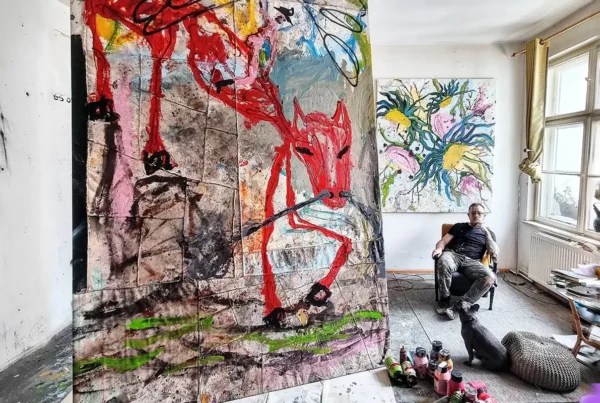
Images have shaped the artistic life of Lady Gorina, the creative identity of Luciana Baldoni, since childhood. Long before painting became her primary form of expression, photography captured her imagination and guided her way of seeing the world. She once envisioned a future as a war correspondent, drawn to the ability of images to document human experience and communicate stories that words alone could not convey. Although that ambition ultimately evolved in another direction, her extensive study of photography left a lasting imprint on her creative vision. The sensitivity to light, framing, composition, and emotional storytelling that emerged from those years continues to inform her artistic practice today. Rather than abandoning photography, she absorbed its lessons into a broader visual language that now finds its fullest expression through paint, where observation and feeling merge into evocative visual narratives.
Her artistic development expanded through formal studies at the National University of La Plata in Argentina, where she initially specialized in Set Design before pursuing Painting. This educational path encouraged a multidimensional understanding of visual culture, combining considerations of space, structure, atmosphere, and artistic expression. The influence of architectural thinking introduced a heightened awareness of environments and relationships between forms, while painting opened new possibilities for emotional interpretation. Through these complementary disciplines, she developed a practice that is both visually attentive and deeply intuitive. The integration of photographic awareness, architectural sensitivity, and painterly freedom became the foundation of a distinctive artistic identity that continues to evolve through experimentation and reflection.
At the center of her work lies a desire to create meaningful encounters between image and viewer. Rather than presenting fixed narratives, her paintings invite personal interpretation and contemplation. Atmosphere plays a crucial role in this process, allowing emotional states and subtle impressions to emerge through visual elements rather than direct explanation. Each composition functions as a space where memories, sensations, and perceptions can coexist. This openness reflects her belief that art can foster intimate connections while remaining accessible to diverse audiences. Through carefully constructed imagery, she seeks to create moments of reflection that encourage viewers to bring their own experiences into dialogue with the work.

Lady Gorina: The Emotional Power of Color
The journey toward becoming an artist unfolded gradually through years of study, observation, and exploration across multiple visual disciplines. Rather than arriving at a singular destination through a single decisive moment, Lady Gorina discovered painting through an ongoing process of experimentation and growth. Every stage contributed new perspectives, eventually revealing painting as the medium most capable of expressing her ideas and emotions. This organic development gave her practice a depth rooted in accumulated experience, allowing different artistic influences to converge within a coherent visual language. Painting offered the freedom she had been seeking, providing a space where technical knowledge and emotional expression could exist in balance.
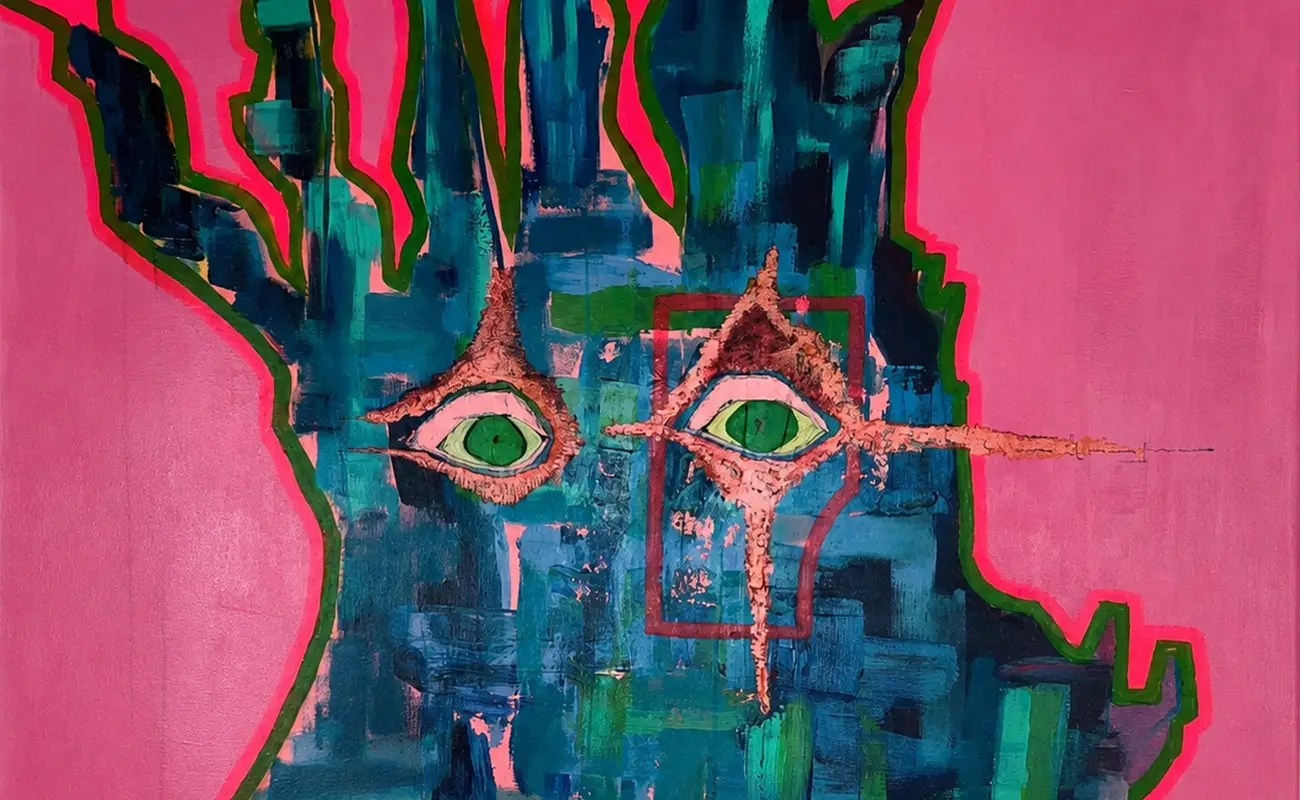
Among all the elements present in her work, color occupies a uniquely important position. It serves not merely as a formal component but as the principal force that drives her creative process. Color functions as a vehicle for emotion, atmosphere, and interpretation, shaping the way viewers experience each composition. Whether depicting landscapes, urban environments, or more suggestive and symbolic imagery, she consistently places chromatic relationships at the center of her artistic decisions. Through carefully chosen palettes and layered applications, she constructs visual experiences that resonate emotionally before they are understood intellectually. This emphasis transforms color into a narrative device capable of communicating subtle feelings and complex states of mind.
Her commitment to color reflects a broader philosophy about perception and artistic communication. Rather than treating painting as a direct representation of reality, she approaches it as a means of translating emotional experience into visual form. Colors become carriers of memory, mood, and personal meaning, allowing viewers to engage with the work on an intuitive level. This approach enables her paintings to move beyond descriptive imagery and enter a more interpretive territory where atmosphere becomes content. Through this process, color emerges as her most recognizable artistic signature, providing continuity across diverse subjects while reinforcing the emotional core of her practice.

Influences Across Art, Life, and Everyday Experience
The sources that nourish Lady Gorina’s creativity extend far beyond a single artistic movement or discipline. Her influences encompass painters, photographers, architecture, fashion, landscapes, and the countless visual encounters that occur in daily life. Among the artists she most admires are Oswaldo Guayasamín, Julio Le Parc, Keith Haring, Jean-Michel Basquiat, and Friedensreich Hundertwasser. Each of these figures offers distinct perspectives on expression, experimentation, and visual impact. Their contributions, while varied in style and approach, demonstrate a commitment to creating powerful images capable of provoking thought and emotional engagement. These qualities resonate strongly within her own artistic philosophy.
Photography remains another significant source of inspiration. The work of Jan Saudek, Sebastião Salgado, and Sara Facio has contributed to her understanding of visual storytelling and the emotional potential of imagery. Years spent studying photography cultivated habits of close observation that continue to shape her artistic process. She frequently engages with a broad range of visual material, examining images from multiple disciplines in search of ideas, atmospheres, compositions, and unexpected combinations of color. This constant exposure to visual culture keeps her perspective dynamic and encourages ongoing creative discovery. Inspiration emerges not only from established artists but also from ordinary moments and overlooked details encountered throughout everyday life.
Personal experience occupies an equally important place within her practice. In recent years, she has become increasingly interested in themes related to perception and the act of looking. Questions surrounding how others see her, alongside reflections on her own self-perception, have informed much of her recent work. These investigations extend beyond identity and enter broader considerations of relationships, emotions, and understanding. By transforming lived experience into visual exploration, she creates paintings that are grounded in authenticity while remaining open to universal interpretation. This combination of artistic influence, observation, and personal reflection provides the foundation upon which her creative process continues to develop.

Lady Gorina: Transparency, Family, and a New Creative Chapter
One of the most meaningful projects in Lady Gorina’s career is her ongoing Transparency Series, a body of work centered on her children and the emotional complexities of family relationships. Despite exploring numerous subjects throughout her artistic journey, she had never previously painted her children, making this series a significant departure and an important milestone. The project represents both a creative challenge and a deeply personal undertaking. Through these paintings, she examines the connections that unite family members while considering how memories, emotions, and shared experiences accumulate over time. The result is a series rooted in intimacy yet capable of speaking to broader human experiences of connection and belonging.
The concept of transparency serves as the guiding metaphor for the project. Individual layers may appear delicate or almost imperceptible when viewed separately, yet together they create depth, presence, and meaning. This layered approach mirrors the way relationships are formed through countless moments and interactions that gradually shape emotional bonds. The metaphor also reflects her understanding of memory, where fragments of experience overlap and influence one another. Through visual layering, she explores how people perceive each other and how emotional histories become embedded within relationships. The paintings invite viewers to consider the complexity that exists beneath seemingly simple connections, revealing the richness contained within everyday family life.
Executed in acrylic on canvas, the Transparency Series allows her to fully embrace the chromatic intensity that defines her artistic language. Acrylic paint provides the flexibility necessary to build successive layers of color while preserving luminosity and subtle transitions. These technical possibilities align perfectly with the conceptual framework of transparency, enabling visual and emotional depth to emerge simultaneously. Alongside maintaining a rigorous studio practice, she continues to pursue drawing and painting education, believing that artistic growth remains a lifelong process. Looking ahead, she is preparing to present the Transparency Series to the public toward the end of the year, marking an exciting new phase in a career shaped by curiosity, observation, and a profound commitment to emotional expression.