
“Through photography, I seek not only to portray the body but to reveal the soul within it.”
Origins of Expression and the Long Road Back to Art
Tina Trumpp’s artistic identity was not formed suddenly or by chance. It grew from a household where music and visual culture were part of everyday life, giving her an early understanding that creativity can shape how people feel, think, and communicate. That foundation stayed with her even when her professional life moved in another direction. She built a career in economics and marketing, learning discipline, structure, and strategic thinking, yet the impulse toward artistic expression never disappeared. Instead, it remained a steady current beneath the surface of practical responsibilities. Many artists speak of discovering art later in life, but in her case the connection had always existed. It simply waited for the right moment to take center stage. This combination of emotional sensitivity and professional rigor now distinguishes her work. Her photographs often carry a sense of refinement and control while preserving warmth and instinct. The balance between these qualities gives her images both clarity and feeling, making them resonate beyond first impressions.
Years spent living and working in Italy, Spain, and France became another decisive influence on Trumpp’s development. Those countries offered not only beautiful surroundings but also centuries of visual culture, architecture, and public appreciation for beauty. Exposure to varied traditions of design, proportion, and atmosphere sharpened her eye and broadened her understanding of aesthetics. She encountered different ways people relate to space, color, gesture, and the human body, and those observations later informed her camera work. Cultural experience can alter perception, and in Trumpp’s case it strengthened her sensitivity to subtle emotional tones. A city square in Italy, the elegance of French museum culture, or the warmth of Mediterranean light could all become lessons in visual rhythm. Rather than copying any single tradition, she absorbed them into a personal language. That international chapter also deepened her awareness that art is never separate from lived experience. It is shaped by place, memory, and the emotional responses each environment awakens.
Music eventually guided her fully back toward the arts. Her career as a jazz singer reawakened the performative and expressive instincts that had always been present. Jazz, with its balance of structure and improvisation, likely reinforced ideas she now applies to photography: discipline paired with spontaneity, precision joined to feeling. Through collaborations with photographers, she became increasingly interested in what happened behind the lens and gradually stepped into image-making herself. That transition appears natural when viewed through the arc of her life. Singing had already taught her how mood can be communicated without explanation, and photography offered another path toward the same goal. Today she creates fine art images that seek emotional truth rather than spectacle. She often speaks of elegance, authenticity, and the timeless dialogue between body, light, and soul. Those aims suggest an artist who does not treat photography as documentation alone, but as a lyrical medium capable of holding silence, tenderness, and inner presence.
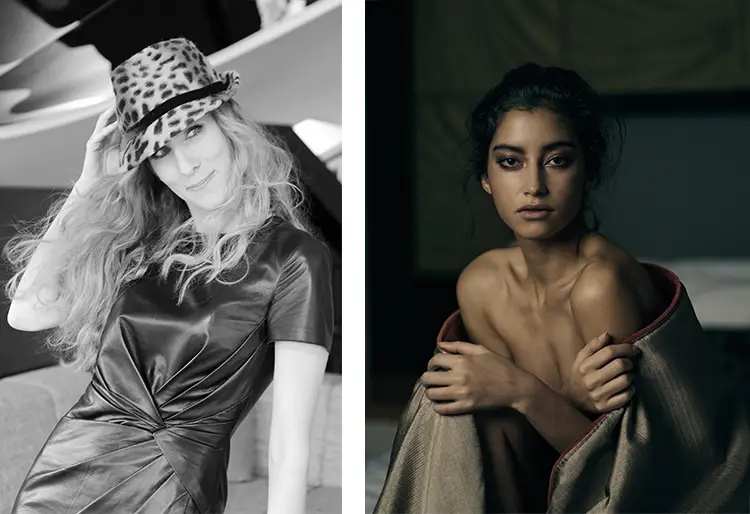
Tina Trumpp: The Human Form as Quiet Monument
Trumpp describes feeling that her soul was always that of an artist, even during years spent in other professions. That statement helps explain why her move into photography feels less like a career change and more like a return to an essential self. She did not abandon one identity for another. Instead, she allowed a long-standing identity to become visible. In her work, the camera is not used for noise or provocation. It becomes a tool for contemplation. This is especially evident in her approach to nude photography, where she seeks dignity, stillness, and grace rather than shock. The body in her images is not reduced to surface appearance. It becomes a vessel of mood, strength, vulnerability, and emotional memory. Such an approach requires patience and trust, because subtlety is harder to achieve than excess. Her photographs often invite the viewer to slow down and notice posture, shadow, softness, and restraint, all of which contribute to their distinctive emotional atmosphere.
She characterizes her style as classical and iconic, yet also silent and subtle. These paired terms reveal much about her visual philosophy. Classical suggests continuity with long traditions of beauty, proportion, and balanced composition. Iconic points to memorable forms that remain in the mind after viewing. Silent and subtle, however, indicate that she values understatement over dramatic declaration. This combination prevents the work from becoming nostalgic or ornamental. Instead, it feels composed and contemporary while still honoring older visual values. Light plays a central role in achieving this effect. Rather than treating illumination as a technical necessity, she uses it as an emotional presence. Gentle highlights, soft transitions, and carefully arranged shadows can transform skin into something sculptural or painterly. Composition functions similarly, guiding the eye through calm arrangements that suggest intimacy without intrusion. Her images often carry a sense of privacy, as though the viewer has entered a moment of reflection rather than a staged performance.
At the center of Trumpp’s practice is the idea that the human form is itself art. This belief shapes not only subject matter but also the ethics of representation. She approaches the body as something worthy of reverence, not exploitation. In that sense, her photographs celebrate grace while acknowledging fragility, and they honor sensuality while preserving emotional depth. She aims to reveal the soul within the figure, a phrase that suggests character, feeling, and inner life rather than literal appearance. Such ambition sets a demanding standard, because cameras easily record surfaces but do not automatically reveal essence. To reach that deeper level, an artist must create conditions of trust, calm, and attentiveness. Trumpp’s preference for quiet elegance serves this purpose. The resulting images can feel timeless because they are anchored in enduring human experiences: tenderness, confidence, longing, composure, and strength. Through this lens, nude photography becomes less about exposure and more about presence.

Museums, Masters, and the Echo of Paint on Skin
The artists who most influence Trumpp span centuries, from the Renaissance to modernism. She cites figures such as Leonardo da Vinci, Caravaggio, Vermeer, Klimt, and Modigliani, each known for a distinct relationship to light, composition, psychology, or the human figure. Leonardo’s balance and inquiry, Caravaggio’s dramatic illumination, Vermeer’s serenity, Klimt’s sensual ornament, and Modigliani’s elongated elegance together suggest the breadth of her visual references. These names are not decorative citations. They indicate a sustained conversation with art history. By studying painters who understood how bodies can symbolize ideas and emotions, she enriches the language of her photography. Their influence can be sensed in her preference for harmony, atmosphere, and expressive restraint. She appears less interested in trends than in lasting visual principles. This grounding in historical excellence helps explain why her images often feel outside ordinary fashion cycles. They seek a slower, more enduring beauty rooted in observation and form.
Museum visits play an essential role in sustaining that dialogue. Trumpp speaks especially of Paris as a constant source of inspiration, a city where artistic heritage is woven into everyday life. Standing before a painting can be a transformative act for a photographer, because it trains attention in ways screens often do not. Scale, texture, silence, and the emotional presence of a work are difficult to reproduce elsewhere. She notes the atmosphere behind each brushstroke, emphasizing that great art communicates through mood as much as technique. That sensitivity transfers directly into her own process. Rather than merely arranging subjects, she seeks the emotional weather inside an image. Museums also remind artists that beauty can coexist with discipline. Every masterpiece contains countless decisions about placement, timing, and restraint. By repeatedly returning to such spaces, she keeps her standards high while remaining open to wonder. Inspiration, in this sense, is not passive admiration but active study.
In recent years, Trumpp has also begun painting in oil, adding another layer to her artistic practice. This shift matters because painting changes how one sees. It requires attention to surface, pigment, texture, and the slow construction of form through time. For a photographer, those lessons can deepen sensitivity to tonal relationships and compositional weight. Oil painting also reconnects the maker with tactile processes in an age often dominated by speed and screens. That tactile quality seems aligned with Trumpp’s broader values of authenticity and craftsmanship. Her photographic images may be contemporary, yet they carry an affection for methods that reward patience. The movement between painting and photography can be fertile, with each medium sharpening the other. Brushwork may influence how she notices gradations of light, while camera experience may refine how she frames a painted scene. Together they form a practice centered on intimacy, harmony, and emotional substance rather than novelty alone.

Tina Trumpp: Magnolia, Craftsmanship, and Future Horizons
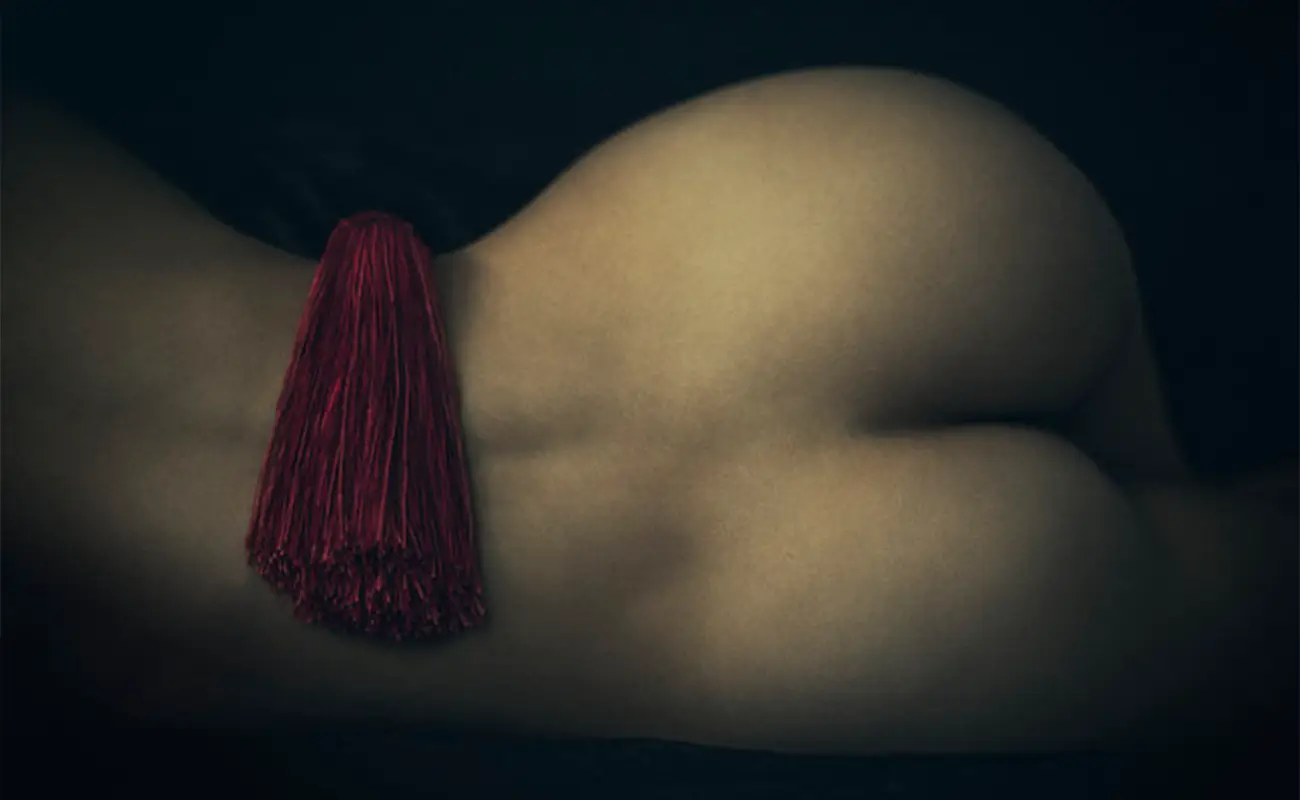
Among Trumpp’s works, Magnolia holds particular significance because it belongs to the beginning of her fine art photography journey. Early works often contain the first clear statement of an artist’s voice, and this image appears to occupy that place in her career. She describes it as embodying qualities that continue to move her: quiet elegance, emotional depth, and timeless feminine sensuality. These recurring themes make Magnolia more than a successful photograph. It becomes a marker of continuity between past intention and present maturity. The piece is said to possess a painterly softness shaped by classical influences and natural light, suggesting an image where atmosphere matters as much as subject. Its serenity reflects how she views the body as strong yet tender, poised between vulnerability and grace. Over time, collectors have embraced the work, recognizing it as one of her defining early statements. The final remaining print in the edition adds rarity to its symbolic importance.
Her day-to-day working method is guided by intuition and a strong respect for what she considers real. She speaks of staying close to the roots of photography through natural light, tactile processes, and genuine human presence. This commitment gains sharper meaning in an era crowded with synthetic imagery and rapid digital production. Trumpp openly follows an anti-AI philosophy in her creative practice, emphasizing truth, emotion, and craftsmanship over manufactured perfection. That position is not merely technological skepticism. It reflects a belief that art gains value through encounter, patience, and embodied experience. Natural light changes from minute to minute, and working with it requires responsiveness rather than total control. Human presence introduces complexity that cannot be fully scripted. Tactile methods slow the process and preserve material connection. Together these choices align with her larger aesthetic of authenticity. They also reinforce the intimate mood found throughout her portfolio, where imperfections often become carriers of feeling.
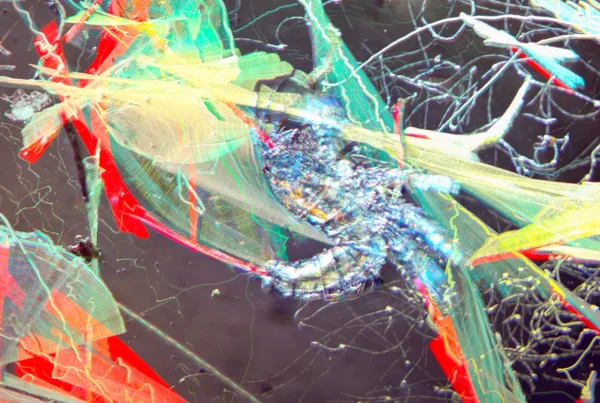
Another current passion project is her cyanotype series, inspired by redesigning her garden into an insect-friendly sanctuary that now even shelters hedgehogs. This initiative reveals how her interests extend beyond the studio into ecological care and the poetry of everyday surroundings. Cyanotype, with its reliance on sunlight and physical materials, suits her attraction to elemental processes. Plants, weather, and time become collaborators. She describes the series as an exploration of harmony, not only within nude photography but within nature itself. That idea broadens her artistic concerns from the human body to living systems and quiet coexistence. Looking ahead, she is also increasingly drawn to male nude photography. She notes that few artists approach the subject with delicacy, sensuality, and emotional depth, and she sees a meaningful challenge there. Her intention is not to reverse stereotypes superficially, but to portray masculine sensitivity with refinement. If realized, this direction could become a significant next chapter in her evolving body of work.