The Architecture of Feeling in Contemporary Illustration
Fatinha Ramos stands among the most compelling voices in contemporary illustration, recognized internationally for imagery that prioritizes emotional truth over literal explanation. Her work speaks in sensations rather than statements, offering images that feel inhabited rather than observed. Color, texture, and symbolism combine to create scenes that linger in the viewer’s mind, not because they explain something clearly, but because they echo something deeply felt. This sensitivity has positioned her work across diverse platforms, from editorial pages to museum contexts, without losing its intimate character. What distinguishes her practice is not only visual skill, but an insistence that illustration can function as an emotional encounter, capable of expressing what language often fails to capture.
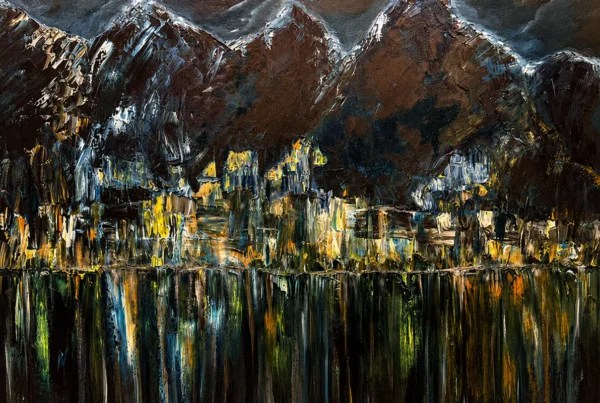
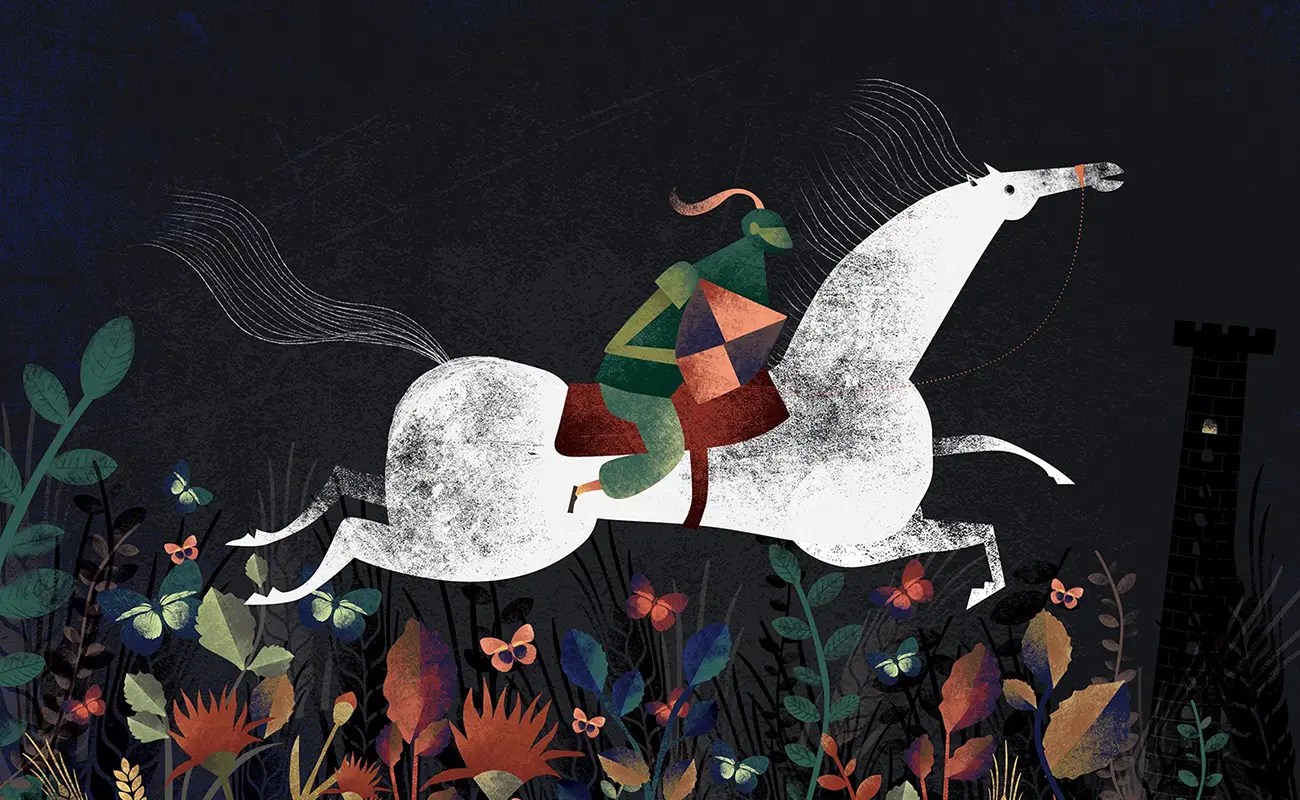
The foundations of her artistic identity are rooted in mixed media processes that merge analog and digital techniques. Acrylic paint, colored pencils, Chinese ink, and oil-based textures are often blended with digital tools, allowing her surfaces to retain a tactile presence even when reproduced on screens or printed pages. These layered materials produce images that appear soft yet dense, fragile yet grounded. Her compositions often feel hand-built, carrying traces of touch and time, which reinforces their emotional accessibility. This material richness is not decorative. It serves as a conduit for meaning, guiding viewers toward contemplation rather than instant consumption.
Within the broader art and illustration landscape, Ramos’s work occupies a distinctive position that bridges fine art sensibility and applied visual communication. She moves fluidly between children’s books, editorial illustration, public murals, animation, ceramics, fashion, and theatrical projects, adapting her visual language without diluting its core identity. This versatility has made her a sought-after collaborator for institutions such as MoMA, Tate Modern, Amnesty International, and major global publications. Despite the scale and prestige of these platforms, her imagery consistently returns to the same essential aim: to create a space where emotion, empathy, and reflection can quietly unfold.

Fatinha Ramos: Visual Activism Through Poetic Symbolism
Social consciousness runs through Fatinha Ramos’s work as a steady undercurrent rather than a declarative slogan. Issues such as climate change, sexism, and racism appear not as didactic messages, but as lived experiences translated into visual metaphor. Her images often suggest vulnerability, resilience, and interconnectedness, encouraging viewers to pause and consider their own position within these global concerns. By choosing symbolism over confrontation, she allows complex subjects to be approached with openness rather than defensiveness. This approach gives her illustrations a timeless quality, enabling them to resonate across cultures and contexts without losing their urgency.
Music, art history, and photography play a central role in shaping her conceptual process. These influences inform both mood and structure, guiding the rhythm of her compositions and the emotional temperature of her color palettes. Ramos has emphasized that she only illustrates subjects she believes in, a principle that anchors her work in personal conviction. This commitment transforms her practice into a form of visual advocacy, where each project becomes an opportunity to amplify voices that are often overlooked. Her belief in the ethical responsibility of image-making has led her to describe herself as a visual activist, using illustration as a means of engagement rather than decoration.
Children’s books occupy a particularly meaningful place within this philosophy. Ramos views these projects as a way to shape future perspectives, understanding that visual narratives encountered early in life can influence empathy and awareness. One of the most significant moments in her career emerged through this medium with the book “Sonia Delaunay. A Life Of Color,” published by MoMA. The project, centered on the life and artistic legacy of Sonia Delaunay, earned Ramos the Global Illustration Award at the Frankfurt Book Fair in 2017. This recognition not only marked a professional milestone, but also reinforced her belief in illustration as a powerful educational and cultural tool.

The Courage of Transformation and a Life Shaped by Choice
Personal transformation is not simply a theme in Fatinha Ramos’s imagery; it is a defining element of her life story. Raised and educated in Portugal, she initially built a stable career as an art director after graduating in Porto. This professional path offered security and recognition, yet it did not satisfy her long-standing desire to draw and create independently. Guided by a belief that meaningful change requires risk, she made the decision to leave a successful position in order to pursue illustration full time. This leap of faith became a turning point, allowing her artistic voice to emerge without compromise.
Love and commitment have repeatedly influenced her geographic and professional choices. For a relationship, she relocated from Portugal to Antwerp, a move that reshaped both her personal and creative landscape. Later, her dedication to illustration led her to divide her time between Belgium and New York, expanding her international presence and professional network. These shifts were not impulsive gestures, but deliberate acts rooted in conviction. Ramos has often expressed that without risk, discovery remains impossible, a philosophy that mirrors the emotional openness found within her artwork.
Today, she lives and works between Portugal and Belgium, maintaining a practice that is both globally connected and deeply personal. Her career reflects an ongoing willingness to adapt, to change, and to trust intuition over certainty. This attitude has allowed her to collaborate with leading newspapers, cultural institutions, and governmental organizations while preserving a sense of authorship. The emotional sincerity that defines her illustrations is inseparable from this lived experience, where personal values consistently guide professional direction.

Fatinha Ramos: Recognition, Reach, and an Enduring Artistic Voice
The international recognition surrounding Fatinha Ramos’s work is extensive and sustained, reflecting both critical acclaim and broad cultural relevance. Her illustrations have been honored by organizations such as Communication Arts, the Society of Illustrators in New York and Los Angeles, American Illustration, 3×3, Creative Quarterly, and the World Illustration Awards. Additional distinctions include the Patrick Nagel Award of Excellence, Cannes Lions recognition, and multiple Gold Awards in institutional and children’s market categories. These honors underscore her ability to navigate diverse visual contexts while maintaining a coherent artistic identity.
Her client list reads as a cross-section of global cultural influence. Collaborations with MoMA, Google, Netflix, TIME, The New York Times, The Washington Post, Scientific American, The Smithsonian Magazine, Amnesty International, the European Parliament, and the City of Antwerp highlight the adaptability and trust placed in her vision. Beyond commissioned work, Ramos regularly participates in exhibitions, both solo and group, and contributes to lectures, talks, and workshops worldwide. These activities extend her impact beyond the printed image, positioning her as an active participant in conversations about art, society, and responsibility.
Despite this expansive reach, her work retains an unmistakable intimacy. Long-haired figures recur as a symbolic reference to the wind of Aveiro in Portugal, quietly anchoring her global practice to personal memory and place. Warm colors, softened forms, and textured surfaces continue to define her visual language, ensuring continuity across evolving projects. Through consistency of feeling rather than repetition of form, Fatinha Ramos has established an artistic presence that remains emotionally resonant, socially engaged, and unmistakably her own.
Learn more about Fatinha:
Official website – https://fatinha.com/
Instagram – https://www.instagram.com/fatinharamos/