“I lost an eye to glaucoma and replaced it with a lens to gain a different perspective.”
The Origins of a Gaze Shaped by Curiosity
Pietro Sacchini stands as a visual artist whose photographic practice is rooted in memory, persistence, and a lifelong relationship with the camera. Born in Rome in 1966, his earliest recollections are inseparable from the physical presence of photographic devices, which were less instruments than companions in his daily life. Family gatherings, friendships, and ordinary moments became the first subjects through which he learned to observe the world. This instinctive attraction was nurtured by his father, who introduced him to tools such as the Kodak Istamatic and the Polaroid, objects that transformed fleeting moments into tangible reflections. These formative experiences did not point immediately toward an artistic career, yet they established a visual sensitivity that would later find its voice. Alongside this personal exploration, Sacchini pursued formal studies, graduating in telecommunications in 1984, a discipline that sharpened his understanding of systems, connections, and transmission, concepts that subtly echo throughout his artistic thinking.
Education in photography arrived through deliberate choice rather than sudden vocation. Courses at Officine Fotografiche and the Sabatini School in Rome, complemented by focused thematic workshops, provided Sacchini with technical grounding while leaving ample space for personal interpretation. These environments encouraged experimentation without imposing rigid stylistic constraints, allowing him to mature at his own pace. His entrance into the art world unfolded gradually, shaped by reflection rather than urgency. Photography became a means of communication, an alternative language through which inner perceptions could be shared without translation. This slow evolution fostered a practice attentive to meaning rather than spectacle, where images function as questions posed to the viewer. The camera, once a childhood toy, emerged as a philosophical tool capable of mediating between interior experience and external reality.
A defining element of Sacchini’s narrative lies in his relationship with perception itself. He often refers, with disarming irony, to having lost an eye to glaucoma and replacing it with a lens, a statement that condenses vulnerability and resilience into a single metaphor. This lived experience reinforces his conviction that seeing is never neutral. Vision is shaped by limitation, adaptation, and intent. His photographs reflect this awareness through compositions that prioritize emotional resonance over technical display. Beauty, in his view, is neither decorative nor superficial. It is ethical, internal, and communicative. Echoing the enduring question posed by Fyodor Dostoevsky in The Idiot regarding whether beauty can save the world, Sacchini positions his work as an ongoing attempt to respond visually. Each image becomes an act of faith in the transformative potential of attentive looking.

Pietro Sacchini: Portraits, Landscapes, and the Human Measure
Portraiture and landscape photography form the twin pillars of Pietro Sacchini’s artistic production, yet they are never treated as separate genres. Instead, he approaches both as expressions of the intimate human experience. Faces and territories are explored with equal sensitivity, unified by a search for inner beauty that transcends appearance. For Sacchini, the landscape is never a neutral backdrop, and the human subject is never isolated from context. Each portrait carries traces of place, memory, and ethical presence, while each landscape suggests the imprint of human existence, even when no figure is visible. This approach resists grandiosity in favor of proximity. His images invite viewers to slow down, to recognize themselves in subtle gestures, textures, and silences that often go unnoticed in contemporary visual culture.
Technique plays a flexible role within this philosophy. Sacchini employs a wide range of photographic strategies, from creative motion blur to controlled studio lighting and available outdoor light, selecting each method according to the needs of the project rather than adherence to a signature style. He consistently emphasizes that technique is not a badge of distinction but a means toward a coherent result. This openness allows his work to remain responsive and concept driven. The final image is judged not by how it was made but by what it communicates. Such an attitude aligns with his desire to foreground ethics and aesthetics as intertwined values. The photograph succeeds when it conveys meaning with honesty, prompting emotional engagement rather than admiration of process.
Central to his practice is the aspiration to awaken curiosity. Sacchini seeks viewers who do not consume images passively but instead pause, question, and reflect on the message embedded within the frame. Beauty, in this context, becomes an invitation to responsibility, an opening toward empathy and awareness. His preference for working with non professional models reinforces this commitment. Ordinary people, untrained in performance, bring unpredictability and sincerity that cannot be rehearsed. Guiding them requires patience, yet the reward lies in expressions marked by surprise and authenticity. Innocence, especially in moments experienced for the first time, generates a form of visual truth that aligns with Sacchini’s broader ethical vision. Through this practice, photography becomes not only representation but encounter.

Creative Genesis and the Language of Inspiration
Every project undertaken by Pietro Sacchini begins with inspiration, though not in a predictable or linear manner. He often describes the sensation of being chosen by ideas rather than selecting them himself. Sources of inspiration arrive from many directions, including literature, cinema, music, images, stories, or even a single spoken phrase. These initial sparks form what he imagines as a cocoon, a protected space in which intuition can mature before taking visual shape. From this starting point, a process of inner research unfolds. Concepts are examined emotionally and intellectually, allowing meaning to surface gradually. This phase is essential, as it ensures that each project is anchored in sincerity rather than impulse.
As ideas develop, attention turns toward material and spatial considerations. Sacchini’s creative process includes the thoughtful selection of environments and furnishing objects that support the conceptual framework. These elements are never ornamental. They function as silent collaborators, reinforcing the narrative without overwhelming it. The careful alignment between subject, space, and message results in images that feel cohesive and intentional. Throughout this process, the human presence remains central. Even when working with abstract themes, Sacchini prioritizes emotional accessibility. His images speak through atmosphere and gesture, encouraging viewers to enter the work without specialized knowledge. This balance between conceptual depth and visual clarity contributes to the enduring appeal of his projects.
Music and color occupy a symbolic role within his artistic identity. Sacchini has compared his body of work to an album such as Selling England by the Pound by Genesis, an example of artistic coherence extending from cover to content. Color functions similarly in his thinking. Blue represents freedom, communication, and openness, while red signifies passion, energy, and creative intensity. He often recalls Galileo Galilei’s assertion that passion is the genesis of genius, a sentiment that resonates deeply within his practice. These references are not decorative citations but philosophical anchors. They help articulate a worldview in which art is driven by emotional commitment and intellectual curiosity, unified through a visual language that remains personal yet widely resonant.

Pietro Sacchini: Embodiment, Territory, and Transformation
Among the projects closest to Pietro Sacchini’s heart is Red Passion, initiated in 2018 and centered on the expressive force of dance. Through creative movement and photographic experimentation, the project seeks to capture the emotional intensity of a dancer’s experience. Dance, understood as joy, pain, discipline, and love, becomes a living metaphor for artistic devotion. Sacchini’s images translate motion into visual rhythm, allowing bodies to inscribe emotion within time and space. The project reflects his belief that photography can converse with other art forms, preserving their energy while offering a distinct perspective. Rather than freezing movement, Red Passion amplifies it, revealing the emotional currents that sustain physical expression.
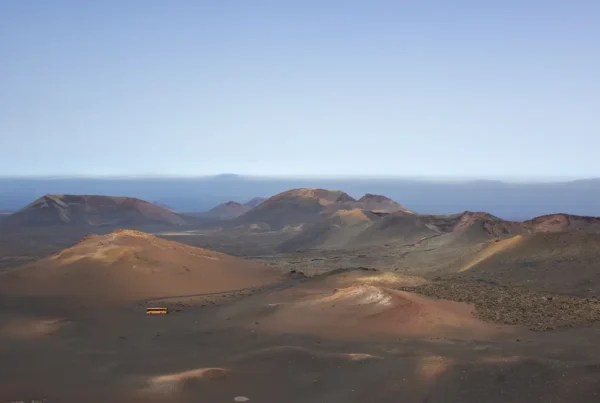
Equally significant is Incorporatus, developed between 2023 and 2024 in collaboration with his son. This project explores the symbiotic relationship between human beings and the land, inspired by summers spent along the coastal road of Manduria in Puglia. The area known as the Marchese, characterized by rocky terrain, protected Mediterranean scrub, and minimal construction, serves as both setting and subject. Sacchini portrays this landscape as a place where human presence and nature coexist without domination. Over the years, returning to the same environment has revealed subtle transformations in both people and terrain. These changes underscore a shared growth, reinforcing the idea that identity is shaped through sustained connection with place.
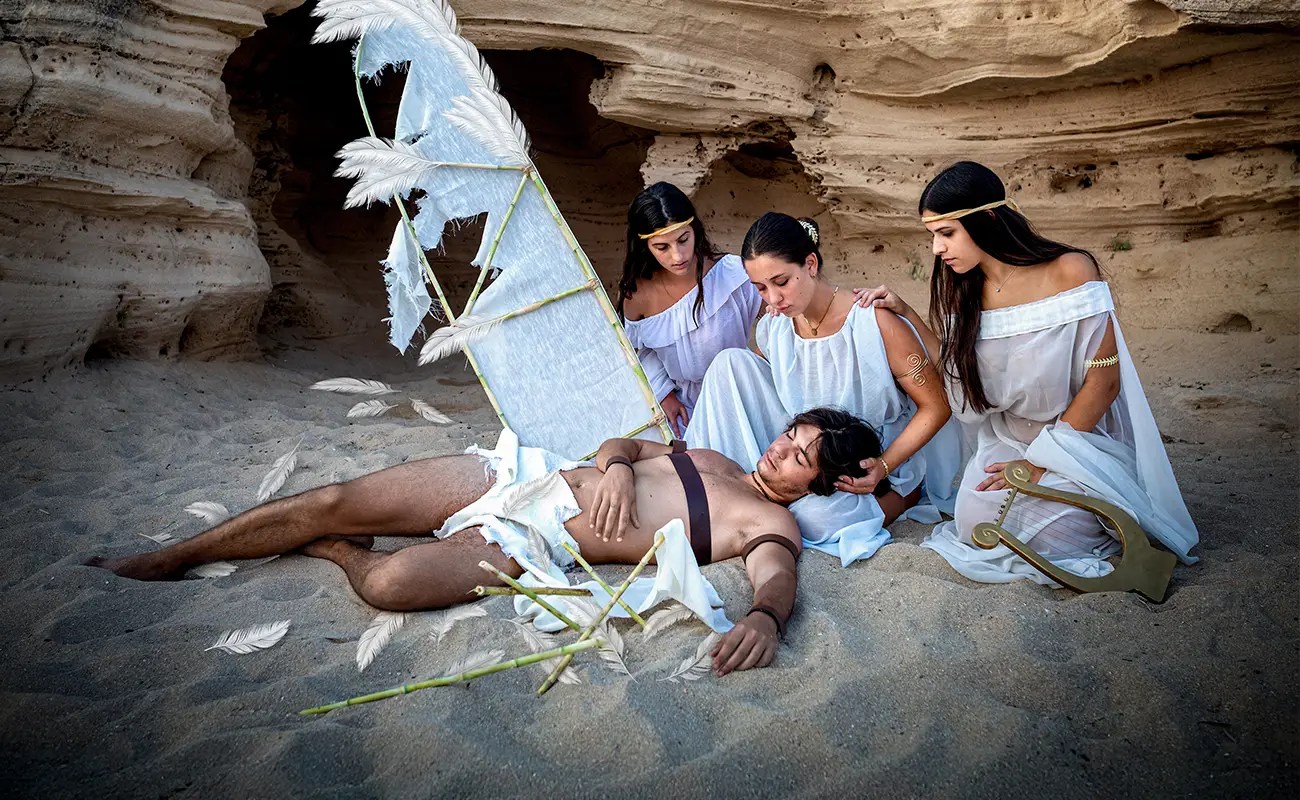
The theme of transformation continues in Sacchini’s ongoing work inspired by Ovid’s Metamorphoses, a classical text whose relevance endures through its exploration of change and continuity. His photographic reinterpretation seeks to translate ancient narratives into contemporary visual language, emphasizing the timeless nature of transformation. Across these projects, a consistent concern emerges regarding humanity’s growing disconnection from nature amid technological expansion. Buildings rise, devices intrude, and perception shifts, often at the expense of direct experience. Sacchini’s work responds by proposing reintegration. He describes feeling incorporated within the landscape, included and shaped by it over time. This sense of belonging extends beyond geography into philosophy, affirming that humans and their environments are inseparable, each carrying traces of the other.