

Embodied Urgency and the Figurative Condition
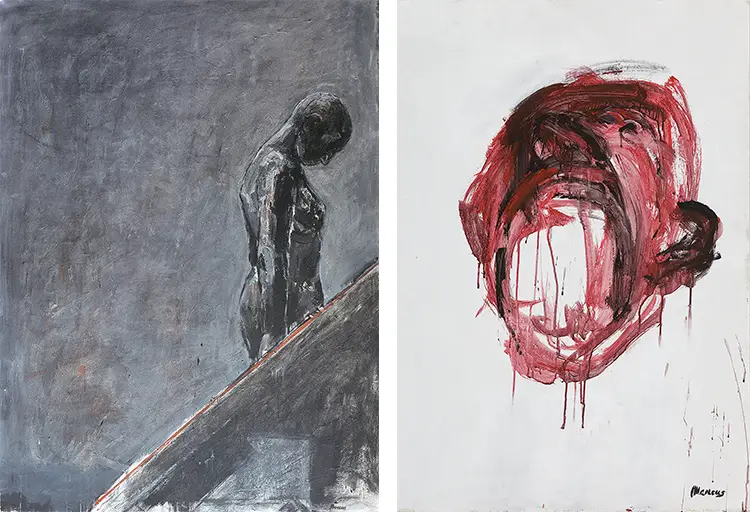
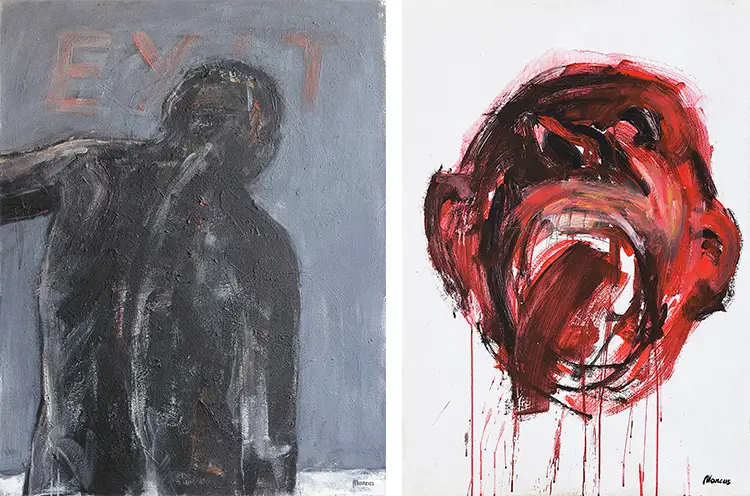
The body occupies a central, unavoidable position in the work of Markus, born Dragan Marković in Šabac, Serbia, appearing not as a stable anatomical structure but as a site of pressure, distortion, and emotional discharge. Across the presented paintings, the human figure is frequently bent, truncated, or pushed to the edges of the pictorial field, as if struggling to remain intact within hostile surroundings. This treatment immediately signals that figuration here is not descriptive but experiential. The viewer does not encounter a portrait of a person but a condensation of inner states projected outward through form. Markus’s commitment to large formats intensifies this encounter, drawing the observer into the same spatial tension that traps the depicted figures. The paintings insist on proximity, denying the comfort of detached viewing and positioning the work within a lineage of expression-driven figurative painting that prioritizes affect over representation.
Formally, Markus relies on assertive brushwork and a deliberately limited palette to structure emotional impact. Grays, blacks, deep blues, and aggressive reds dominate the surfaces, creating a chromatic environment that feels both compressed and volatile. Acrylic paint is handled with urgency, evident in dragged strokes, scraped passages, and areas where the pigment appears almost forced onto the surface. The absence of preparatory sketches contributes to this immediacy, preserving the first surge of emotion rather than refining it into compositional polish. Figures emerge through subtraction as much as construction, their outlines often unstable, dissolving into surrounding fields. This instability becomes a visual metaphor for vulnerability, reinforcing the psychological weight embedded in the imagery.
Despite their rawness, the works demonstrate a high degree of technical control. The confident hand Markus references is visible in the way volumes are suggested with minimal means and how weight is convincingly distributed within the figure. A particularly strong command of drawing underpins this control; line, proportion, and anatomical nuance are sharply felt even amidst expressive distortion. The strength of his draftsmanship serves as a visual anchor, enabling the paintings to carry emotional complexity without sacrificing structural integrity. Even in moments of extreme distortion, anatomical understanding anchors the image, preventing it from collapsing into abstraction. This balance between emotional force and structural knowledge underscores the seriousness of his figurative practice. The paintings do not rely on chaos alone; they are built through disciplined decisions that allow intensity to register clearly. Such control ensures that the viewer remains engaged with the image rather than overwhelmed by it, sustaining the dialogue Markus seeks to provoke.
Markus: The Scream as Enduring Motif
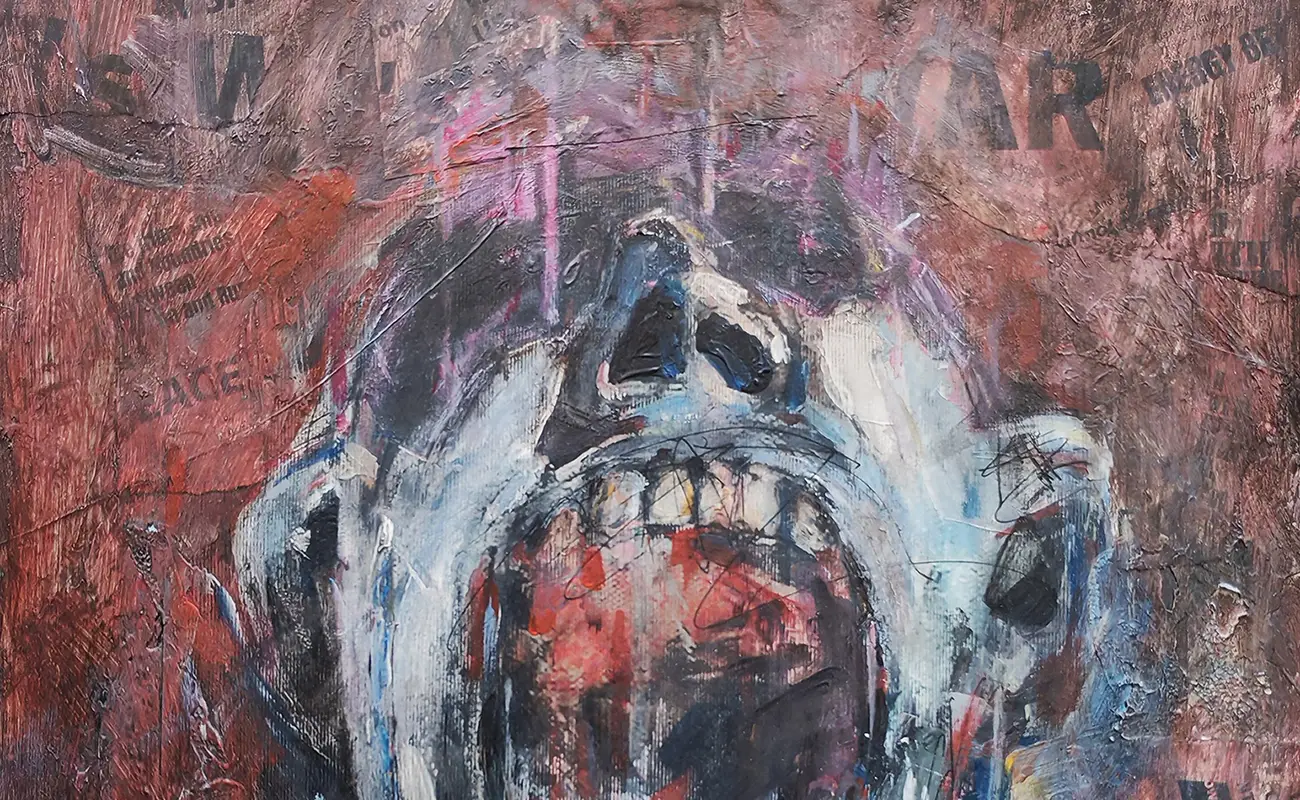
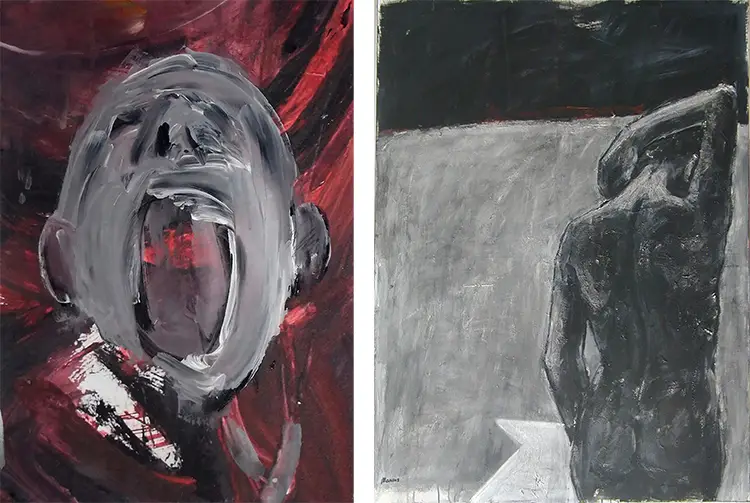
The SCREAM series stands as the most concentrated articulation of Markus’s artistic and ethical concerns. Here, the open mouth, strained neck, and contorted head become recurring visual anchors, functioning less as individual expressions and more as symbols of collective distress. These figures do not scream toward another character within the painting; they scream outward, toward the viewer and the world beyond the canvas. This outward direction transforms the motif into a form of confrontation. The scream is not cathartic but suspended, frozen at its peak, forcing prolonged engagement with a moment of helplessness that refuses resolution.
Wars and catastrophic events are not illustrated directly, yet their presence is unmistakable. Markus channels their impact through bodily reaction rather than narrative depiction, aligning emotional truth with ethical reflection. The scream becomes an answer to powerlessness, a response to decisions made elsewhere that determine suffering on a massive scale. Within this framework, the paintings ask questions about personal integrity and individual significance in global systems that diminish human agency. The repetition of the motif across many works reinforces its function as an ongoing inquiry rather than a single statement. Each iteration tests how much emotional weight the image can carry without losing clarity.
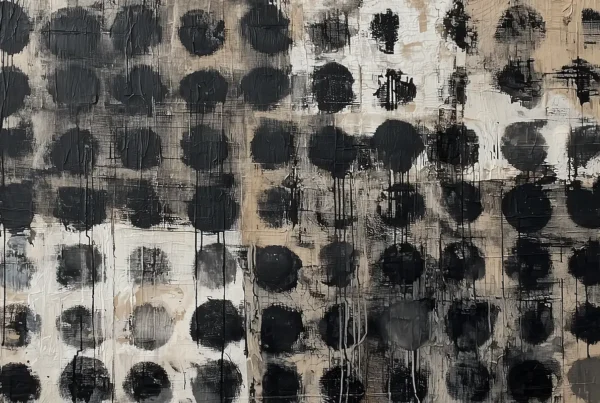
Material choices amplify this tension. Acrylic’s rapid drying time allows Markus to work at a pace that matches the intensity of the subject, preventing emotional dilution. Drips, abrasions, and uneven surfaces remain visible, registering the physical act of painting as part of the meaning. In some works, textual fragments and layered surfaces introduce echoes of public discourse, media noise, and fragmented communication. These elements situate the scream within contemporary reality, bridging private anguish and collective experience. The result is a series that operates simultaneously as personal testimony and social commentary, grounded in emotional honesty rather than illustrative rhetoric.
Between Expressionist Legacy and Personal Language
Markus’s engagement with German Expressionism is evident, particularly in the prioritization of emotional force over visual harmony. The distorted figures, charged color fields, and psychological intensity recall early twentieth-century strategies, yet the work does not function as homage. Instead, these historical references serve as structural supports upon which Markus builds his own language. The influence of artists such as Francis Bacon is perceptible in the treatment of the figure as vulnerable flesh rather than idealized form, while earlier interests in surrealism linger subtly in the sense of dislocation and existential unease. These influences remain absorbed rather than displayed, filtered through Markus’s lived experience and sustained inquiry.
What distinguishes Markus’s practice is his refusal to aestheticize suffering. The paintings resist decorative resolution, even when color and gesture might allow it. Surfaces remain tense, often unresolved, maintaining a state of visual discomfort that mirrors the thematic content. This resistance positions the work firmly within contemporary figurative discourse, where ethical considerations about representation and authenticity are increasingly central. Markus’s figures do not perform anguish for spectacle; they bear it as an unavoidable condition. This distinction is crucial for understanding the seriousness of his approach and its relevance beyond stylistic lineage.
Within the institutional and gallery context, Markus’s work aligns with painters who continue to assert the relevance of emotionally charged figuration in an era often dominated by conceptual detachment. His paintings demand time and psychological investment, qualities that resonate with curators seeking work that engages audiences on a visceral level. The consistency of the visual language across the presented works suggests a mature practice with a clear trajectory. While the emotional register is intense, it is sustained through disciplined repetition and refinement rather than excess. This balance strengthens the work’s position within both critical and market-oriented conversations.
Markus: Craft, Scale, and the Ethics of Presence
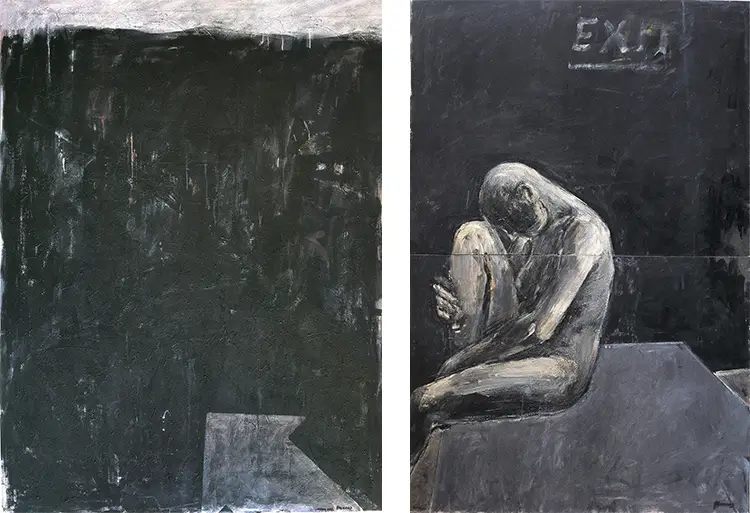
The physical scale of Markus’s paintings plays a decisive role in how they are experienced. Large formats do not simply enlarge the image; they extend the emotional field, enveloping the viewer and collapsing distance. Standing before these works, one becomes acutely aware of bodily presence, mirroring the figures’ own heightened physicality. This shared space transforms viewing into an encounter rather than observation, aligning with Markus’s stated desire to provoke dialogue not only with the artist but within the viewer. The paintings function as mirrors, reflecting internal states that are often unacknowledged.
Craftsmanship underpins this experiential power. The confident handling of acrylic, the controlled use of pressure, and the ability to sustain compositional coherence amid expressive force all point to a painter deeply invested in technical mastery. Markus’s figurative grounding allows him to push distortion without losing credibility. The viewer senses that each deviation from realism is intentional, serving emotional clarity rather than obscuring it. This trust in the artist’s hand enables the work to carry heavy themes without resorting to explanation or didactic framing.
Challenges are openly acknowledged in Markus’s process, from emotional volatility to material unpredictability. Rather than obstacles to overcome, these factors become integral to the work’s meaning. The act of painting itself emerges as a form of survival, a way to confront meaninglessness through creation. In this sense, the final image is less important than the sustained commitment to expression. Markus’s paintings stand as records of this commitment, offering viewers not answers, but an honest space in which difficult questions can exist without resolution.